Dongguan Aier Eye Hospital: One City, Three Hospitals and One Clinic, Part of a Global Network
 0769-22660023 0769-22660023
Recently, according to media reports,
production crews for short dramas in Hengdian are in urgent need of middle-aged and elderly actors.
Insiders say the daily pay can reach up to 5,000 yuan,
and there’s no shortage of work for those who can memorize their lines!
Wow, that daily pay is seriously enviable!
But what about nearsightedness, presbyopia...
A range of eye conditions plagues middle-aged and elderly people today.
Having to wear two pairs of glasses daily,
it hampers every aspect of work and life—how can they possibly film?
Many people feel
as if you’ve uncovered some earth-shattering secret
But is that really the case?
First of all, the causes of nearsightedness and presbyopia are completely different!
Myopia occurs when the eyeball is too long or the lens is too curved, causing distant objects to focus in front of the retina, resulting in blurred distance vision.
Presbyopia occurs as we age, when the lens loses elasticity and the ciliary muscles weaken, causing nearby objects to focus behind the retina, making it difficult to see up close.
Second, some people think myopia offsets presbyopia, but this is actually just a “numbers game.”
Suppose a person with 300 degrees of myopia develops 200 degrees of presbyopia. When reading, the myopia will partially offset the presbyopia (300–200 = 100). At this point, if they remove their myopia glasses, they might just be able to see their phone screen clearly. This phenomenon is particularly common among myopic individuals over 40, but it doesn’t mean their vision has improved—it’s merely a temporary balance of the prescriptions. As we age, both presbyopia and myopia can change. Eventually, the two will “clash”—resulting in blurred vision at both near and far distances.
Here’s the problem:
—Myopia and presbyopia cannot cancel each other out.
Furthermore, as we age, cataracts may also develop. How can we address these three issues without having to wear glasses?
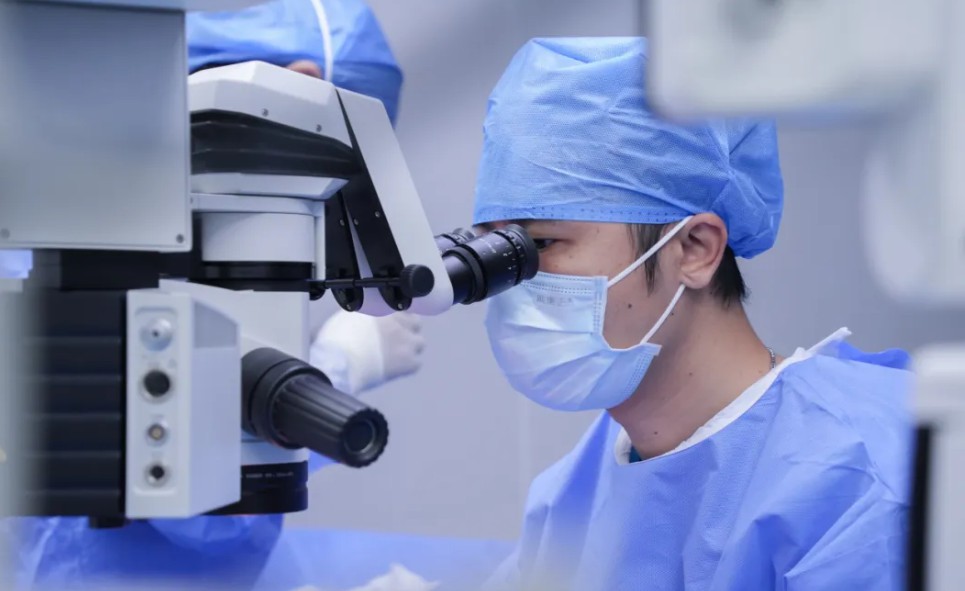
The answer: You can undergo presbyopia-cataract surgery! (You must meet the surgical criteria, though.) This procedure eliminates the need for reading glasses and treats cataracts at the same time! Presbyopia-cataract surgery refers to the combination of cataract extraction with the implantation of a presbyopia-correcting intraocular lens. This lens is typically used in refractive cataract surgery or refractive intraocular lens replacement, improving the patient’s distance, intermediate, and near vision after surgery, thereby reducing reliance on reading glasses.
Simply put, it involves removing the “aged, problematic” natural lens from the eye and replacing it with a “custom-made” intraocular lens. This is no ordinary “lens”—it’s a “smart lens” capable of addressing multiple issues simultaneously:
In fact, aside from the misconception that myopia and presbyopia cancel each other out, there are other common misconceptions: Image
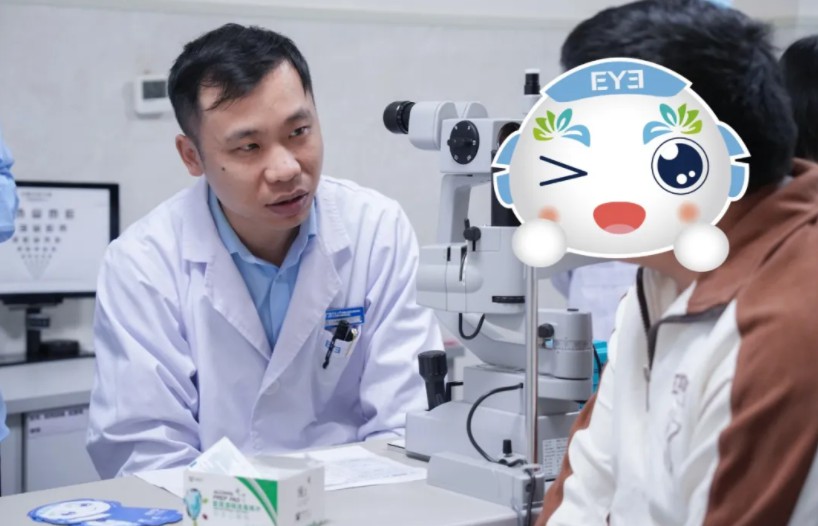
Finally, Director Tan Yongchang of the Cataract Department at Dongguan Aier Eye Hospital reminds you to seek immediate medical attention if you experience any of the following symptoms:
Headaches or eye strain when reading up close, with no relief after resting;
Sudden appearance of floating dark spots or flashes of light in your vision (be alert for retinal detachment);
A sudden increase in presbyopia of more than 50 diopters within one year;
Myopic patients suddenly being able to “see distant objects clearly without glasses” (which may indicate cataracts or retinal disease).

咨询电话:
0769-22660023
医院地址:
东莞市东城区莞樟路石井路段171号-东莞爱尔眼科医院