Dongguan Aier Eye Hospital: One City, Three Hospitals and One Clinic, Part of a Global Network
 0769-22660023 0769-22660023
Have you noticed
your parents complaining about their eyesight getting blurry
their vision gradually becoming hazy
feeling eye strain and dizziness
or becoming sensitive to light…
These are all signs of
high-risk eye conditions that threaten middle-aged and older adults
Pay attention to retinal health
Keep these key points in mind
Common Retinal Health Issues
As we age, all parts of the eye gradually deteriorate, and the retina is particularly prone to problems. These retinal conditions require special attention.
01. Diabetic retinopathy is one of the most common complications of diabetes. If your parents have diabetes—especially if their blood sugar is poorly controlled—the blood vessels in their retinas may be damaged, leading to vision loss or even blindness.
Symptoms to watch for:
Gradual vision loss
Seeing dark spots or floaters
Loss of vision in certain areas
Prevention:
Remind your parents to strictly manage their blood sugar, blood pressure, and cholesterol levels.
Have a fundus examination at least once a year.
Encourage them to quit smoking, limit alcohol consumption, and maintain a healthy lifestyle.
02. Cataracts are one of the most common eye conditions among middle-aged and older adults, primarily characterized by clouding of the lens, which causes blurred vision.
Symptoms to Watch For:
Gradual vision loss, as if looking through frosted glass
Sensitivity to bright light and poor night vision
Colors appearing darker or yellowish
Prevention Tips:
Remind parents to wear sunglasses outdoors to protect against UV damage.
Encourage them to eat foods rich in vitamins C and E, such as oranges, kiwis, and nuts.
Schedule regular eye exams and undergo surgical treatment if necessary.
03. The macula is the most critical area of the retina, responsible for our central vision. Macular degeneration can lead to vision loss, distorted vision, and even blindness.
Symptoms to Watch For:
Blurred or distorted vision in the central field of vision
Straight lines appearing curved
Diminished ability to distinguish colors
Prevention:
Remind parents to quit smoking, as smoking is a major risk factor for macular degeneration.
Encourage them to eat foods rich in lutein and zeaxanthin, such as spinach, corn, and egg yolks.
Undergo regular eye exams, especially for middle-aged and older adults over 50.
04. Glaucoma is known as the “silent thief of sight” because its early symptoms are subtle, yet it gradually causes visual field loss and can ultimately lead to blindness.
Symptoms to Watch For:
Eye pain and headaches
Narrowed visual field when looking at objects
Rainbow-like halos around lights at night
How to Prevent It:
Remind parents to have their intraocular pressure checked regularly.
Encourage them to maintain emotional stability and avoid overexerting their eyes.
If there is a family history of glaucoma, be especially vigilant.
How Can You Help Your Parents Protect Their Eye Health?
1. Take Your Parents for an Eye Exam
Eye exams are a crucial tool for early detection of eye diseases. It is recommended to have an eye exam once a year or every six months; high-risk individuals should increase the frequency of exams as advised by their doctor.
2. Pay attention to their eye habits
Remind your parents not to watch TV or use their phones for long periods, especially after turning off the lights at night. You can teach them eye exercises or suggest applying a warm towel to their eyes to relieve fatigue.
3. Adjust their diet
Encourage your parents to eat more foods rich in vitamins A, C, E, and lutein, such as carrots, blueberries, spinach, and nuts. These foods are highly beneficial for eye health.
4. Remind them to manage chronic conditions
Chronic conditions such as hypertension, diabetes, and hyperlipidemia are major risk factors for retinal diseases. It is essential to actively manage these conditions. Remind them to take their medication on time, monitor their blood sugar and blood pressure regularly, and prevent these conditions from causing damage to the retina.
5. Pay attention to their emotional well-being
Emotional fluctuations can also affect eye health, especially in glaucoma patients. Spend more time with your parents, chat with them, and help them maintain a positive outlook.
Don’t ignore these symptoms!
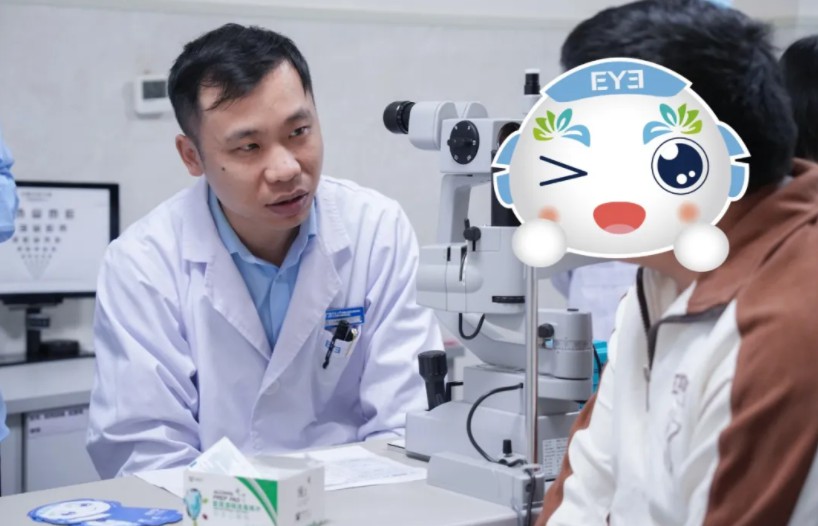
Dr. Tan Yongchang, Director of the Cataract Department at Dongguan Aier Eye Hospital, advises that if your parents experience any of the following symptoms, you must take them to the hospital for an examination immediately:
Sudden vision loss
Distorted or blurred vision
Dark spots or flashes of light in front of the eyes
Eye pain, redness, or swelling
Eye health is an essential part of overall physical health. Regular eye exams are key to safeguarding your vision. Early prevention, early detection, and early treatment are crucial for protecting the vision of yourself and your family, allowing you to enjoy a clear view of the world!

咨询电话:
0769-22660023
医院地址:
东莞市东城区莞樟路石井路段171号-东莞爱尔眼科医院