Dongguan Aier Eye Hospital: One City, Three Hospitals and One Clinic, Part of a Global Network
 0769-22660023 0769-22660023
As your parents get older, do they often say, “My vision is getting blurrier and blurrier, like there’s a fog over my eyes”? In fact, when this happens, it’s highly likely that cataracts have set in.
But whenever cataract surgery is mentioned, your parents tend to be very resistant. Their first reaction is fear: “Does that mean surgery? It must be really painful.” As a result, even though they have to put up with the inconvenience of blurry vision every day, they refuse to go to the hospital.
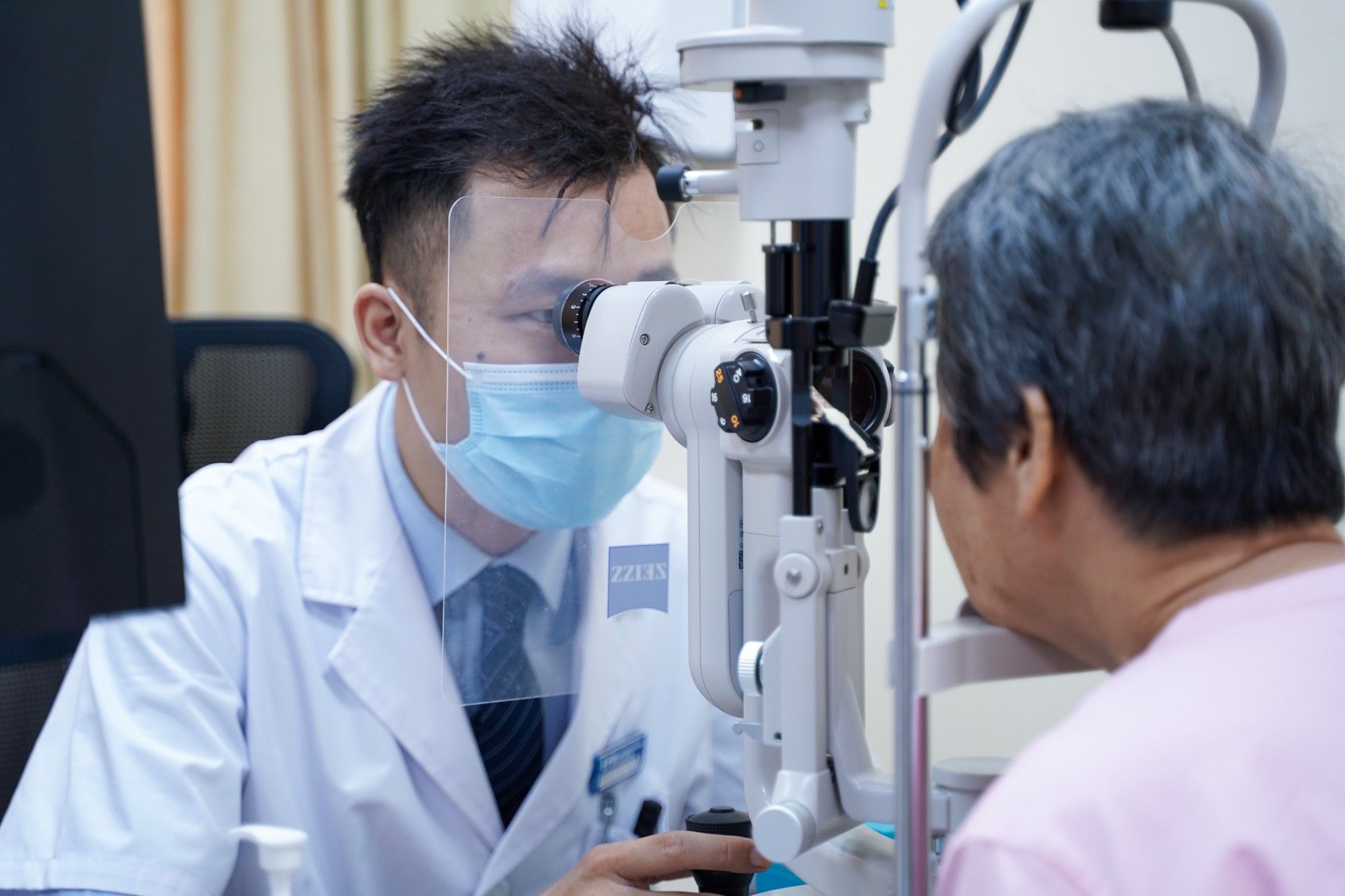
Today, I want to help put those fears to rest—there’s a “gentle” way to treat cataracts: femtosecond laser cataract surgery. It’s a completely “blade-free” procedure with almost no pain, and in just a few minutes, it can clear away the “fog” before their eyes, allowing them to see the world clearly again.
A cataract isn’t a “growth,” and you don’t have to wait for it to “mature” before treating it
Many people have misconceptions about cataracts. Let me start by sharing a key fact: a cataract isn’t a “foreign object in the eye,” but rather the natural clouding of the eye’s lens that occurs as we age.
It’s like a camera lens covered in dust—light can’t get through, so vision naturally becomes blurry. Just like graying hair and wrinkles, it is a normal part of the aging process, particularly common in people over 50. The longer it is left untreated, the worse it gets; in severe cases, it can lead to blindness.
Another outdated belief needs correcting: “You have to wait until the cataract is fully ‘ripe’ before having surgery.” Medical technology has long since advanced. As soon as a cataract begins to interfere with daily life, surgery should be considered. Delaying treatment only increases the difficulty of the procedure and causes your parents unnecessary suffering.
More importantly, there are currently no eye drops or oral medications that can cure cataracts; surgery is the only effective treatment.
How does femtosecond cataract surgery achieve a “blade-free” and painless procedure?
The core advantage of femtosecond cataract surgery is that it replaces the scalpel used in traditional surgery with a precise laser. The entire process is computer-guided, achieving micron-level precision (one-thousandth the width of a human hair). The entire procedure consists of just three steps and takes only about ten minutes. Your parents remain fully awake throughout and can even chat with the doctor.
Step 1: Anesthetic eye drops. No injections are needed—just a few drops of anesthetic eye drops will temporarily numb the eye. There is virtually no pain during the procedure, at most a slight sensation of something foreign in the eye—like a tiny grain of sand—which most people can tolerate and which subsides quickly after surgery.
Step 2: Precise laser operation. The femtosecond laser automatically performs three key steps: ① creating a very small incision in the cornea; ② precisely cutting a perfectly circular opening in the surface of the lens to prepare for the subsequent implantation of the intraocular lens; ③ breaking the cloudy lens into tiny fragments, much like “slicing a cake,” to facilitate its removal.
Step 3: Intraocular Lens Implantation. Through the tiny incision, the surgeon uses an ultrasonic probe to emulsify and aspirate the laser-fragmented lens, then implants a custom-made intraocular lens tailored to the patient’s eye parameters. Once the lens is properly positioned, the surgery is complete.
This intraocular lens effectively replaces the original cloudy lens, allowing light to pass smoothly to the back of the eye. Patients can see clearly as early as the day after surgery, with no impact on daily activities such as eating or walking. Recovery is also rapid, typically taking 3–7 days to fully recover.
Compared to traditional surgery, its advantages make it ideal for seniors!
Compared to traditional cataract surgery, femtosecond laser cataract surgery offers even more significant advantages, making it particularly suitable for older adults who are afraid of pain or concerned about risks:
Frequently Asked Questions
1. Can older adults undergo this surgery?
Absolutely! As long as their overall health is stable and they do not have severe heart or brain conditions, even patients in their 80s or 90s can undergo the procedure. The key factor is the condition of the eye; many elderly patients can see the world clearly after the surgery.
2. What precautions should I take after surgery?
For the first 24 hours after surgery, wear a sterile eye shield and avoid rubbing or bumping your eyes. For the first 3 days, stay away from cooking fumes to avoid irritating the healing cornea. For the first week, keep water out of your eyes when washing your hair or face, and avoid strenuous exercise. Additionally, avoid straining your eyes, apply eye drops as directed, and attend regular follow-up appointments—this won’t interfere with your daily life.

咨询电话:
0769-22660023
医院地址:
东莞市东城区莞樟路石井路段171号-东莞爱尔眼科医院