Dongguan Aier Eye Hospital: One City, Three Hospitals and One Clinic, Part of a Global Network
 0769-22660023 0769-22660023
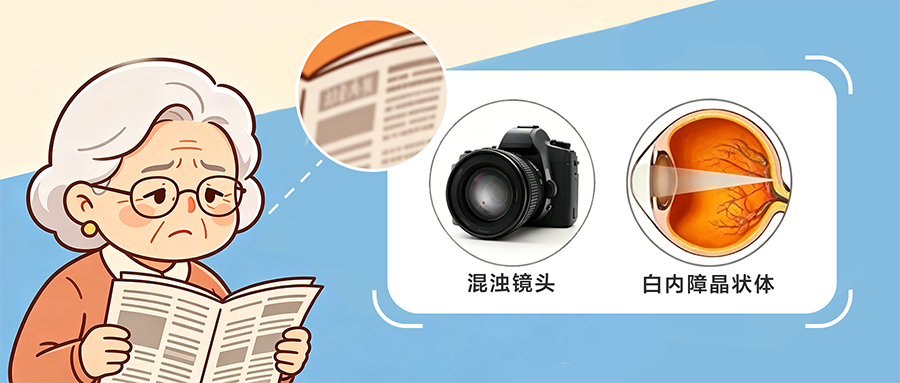
Cataracts are the most common eye condition among the elderly and the leading cause of blindness in this population. Age-related cataracts typically begin to develop after the age of 50, and the risk of developing them increases with age.
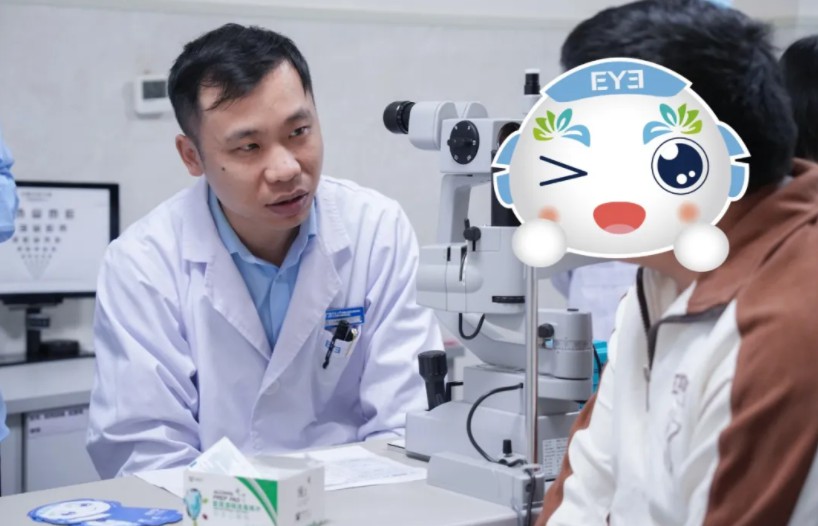
Dr. Tan Yongchang, Director of the Cataract Department at Dongguan Aier Eye Hospital, points out that if left untreated, cataracts can eventually lead to blindness; therefore, early detection and early treatment are the most critical principles in preventing and treating cataracts.
Signs of cataracts
1. A Fixed Dark Spot in the Field of Vision
Cataracts are caused by clouding of the eye’s lens, and the location of this clouding is fixed. Compared to other areas of the eye, vision in the affected area deteriorates, and patients may feel as though there is a fixed dark spot in their field of vision.
Some people describe the sensation of having cataracts as if there were a smudge on their glasses—a fixed spot that causes varying degrees of visual field loss.
2. Gradually Blurred Vision
Many people have excellent vision when they are young, but as they age, their vision becomes increasingly blurred, as if they were “looking at flowers through a fog,” and their vision gradually deteriorates. If this occurs, it is essential to seek a medical examination promptly.
3. Temporary Improvement in Presbyopia
For elderly individuals who have suffered from presbyopia for many years, if they suddenly find that their near vision has become clearer, they must not take this lightly. This situation is very likely a sign of cataracts.
4. Monocular Diplopia or Polyopia
When the eye is affected by a condition, objects may appear as multiple images, as if viewed through a kaleidoscope or prism. This phenomenon is known as diplopia or polyopia. It is caused by clouding of the lens, resulting in uneven refractive power across different areas.
In addition, cataract patients may experience symptoms such as glare, reduced contrast sensitivity, and changes in color perception.
Can Cataracts Be Prevented?
Age-related cataracts are not strongly linked to genetics; their development is largely influenced by environmental factors. Therefore, effective prevention is possible through proper protective measures.
Research indicates that ultraviolet (UV) radiation can damage the eyes, particularly by directly affecting the lens, making it a major contributor to age-related cataracts. The Tibet region of China has the highest levels of UV radiation, and the incidence of cataracts among local residents is correspondingly higher. Consequently, wearing UV-protective sunglasses when outdoors and minimizing direct exposure of the eyes to strong light are crucial for preventing cataracts.
Additionally, one should maintain a balanced diet and ensure nutritional balance; manage systemic chronic conditions such as diabetes, hypertension, and kidney disease; avoid long-term use of steroid medications whenever possible; and strictly follow medical advice when taking medications.
Can cataracts be cured?
Age-related cataracts are a natural result of the aging process, so the likelihood of reversing them is very low, and there are currently no specific medications to treat cataracts. Do not be misled by various eye drops or eye patches that claim to delay or cure cataracts; not only is this a waste of money, but it can also delay necessary treatment.
To date, surgery remains the only effective treatment for cataracts. When cataracts cause vision loss severe enough to interfere with daily life, surgery should be considered. Many older adults feel anxious or fearful at the mere mention of eye surgery, or view the process as cumbersome and troublesome. In reality, cataract surgery is not complicated and is highly safe.
The most clinically established surgical method today is phacoemulsification cataract extraction. An experienced and skilled surgeon can typically complete the procedure in just 5 to 10 minutes. The incision is extremely small—as small as about 3 millimeters—and anesthesia is simple, requiring only a few drops of anesthetic eye drops.
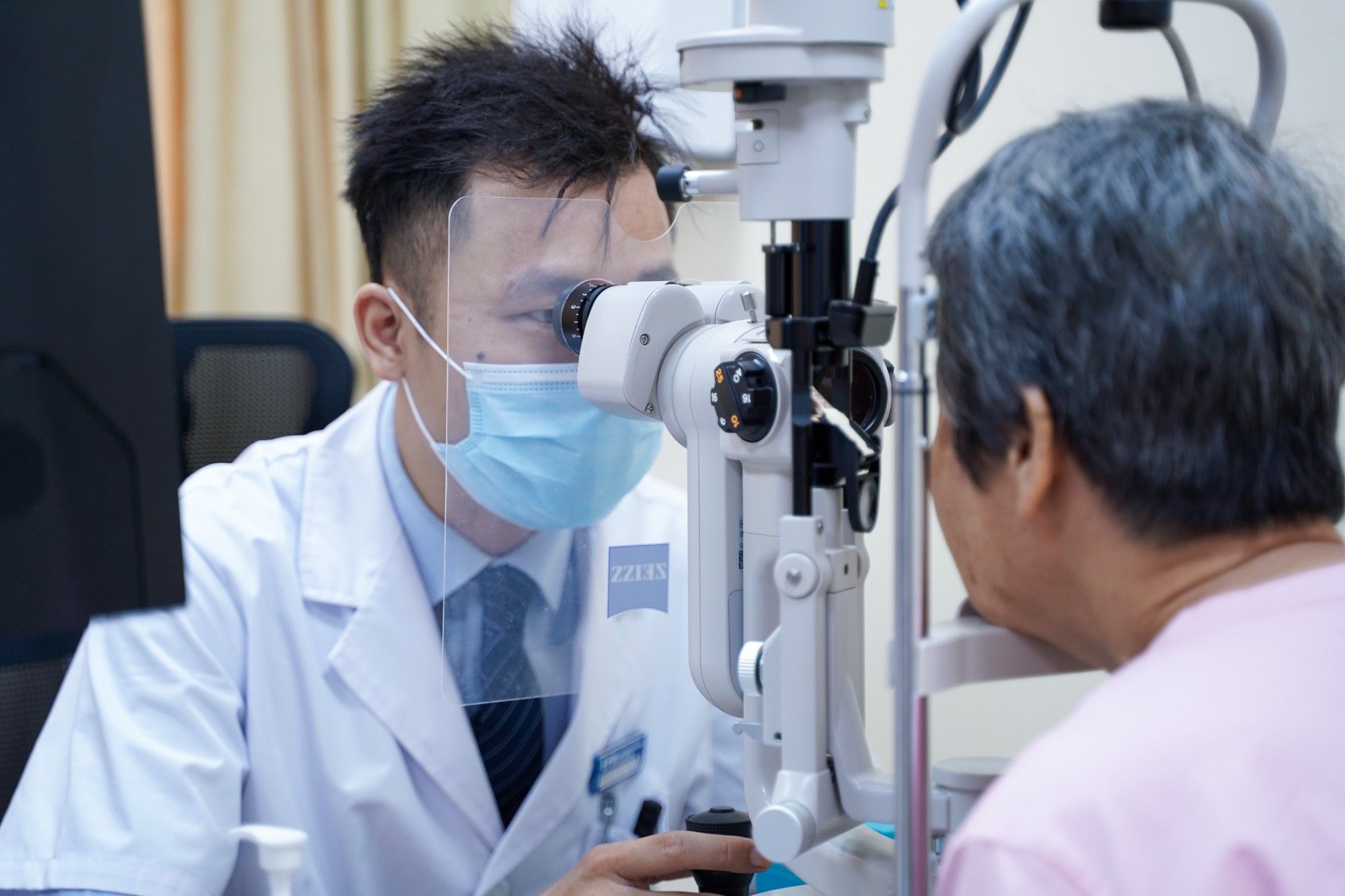
Patients can return home the same day after observation, with no need for a prolonged hospital stay. During the healing period, daily activities such as washing your face and taking a shower will not be significantly affected. Generally, it takes about 2 to 3 months for vision to fully stabilize and recover after surgery. However, many older adults may have other eye conditions, such as age-related macular degeneration or diabetic retinopathy, which could affect postoperative visual outcomes. Therefore, a comprehensive evaluation by a doctor is essential before surgery.

咨询电话:
0769-22660023
医院地址:
东莞市东城区莞樟路石井路段171号-东莞爱尔眼科医院