Dongguan Aier Eye Hospital: One City, Three Hospitals and One Clinic, Part of a Global Network
 0769-22660023 0769-22660023
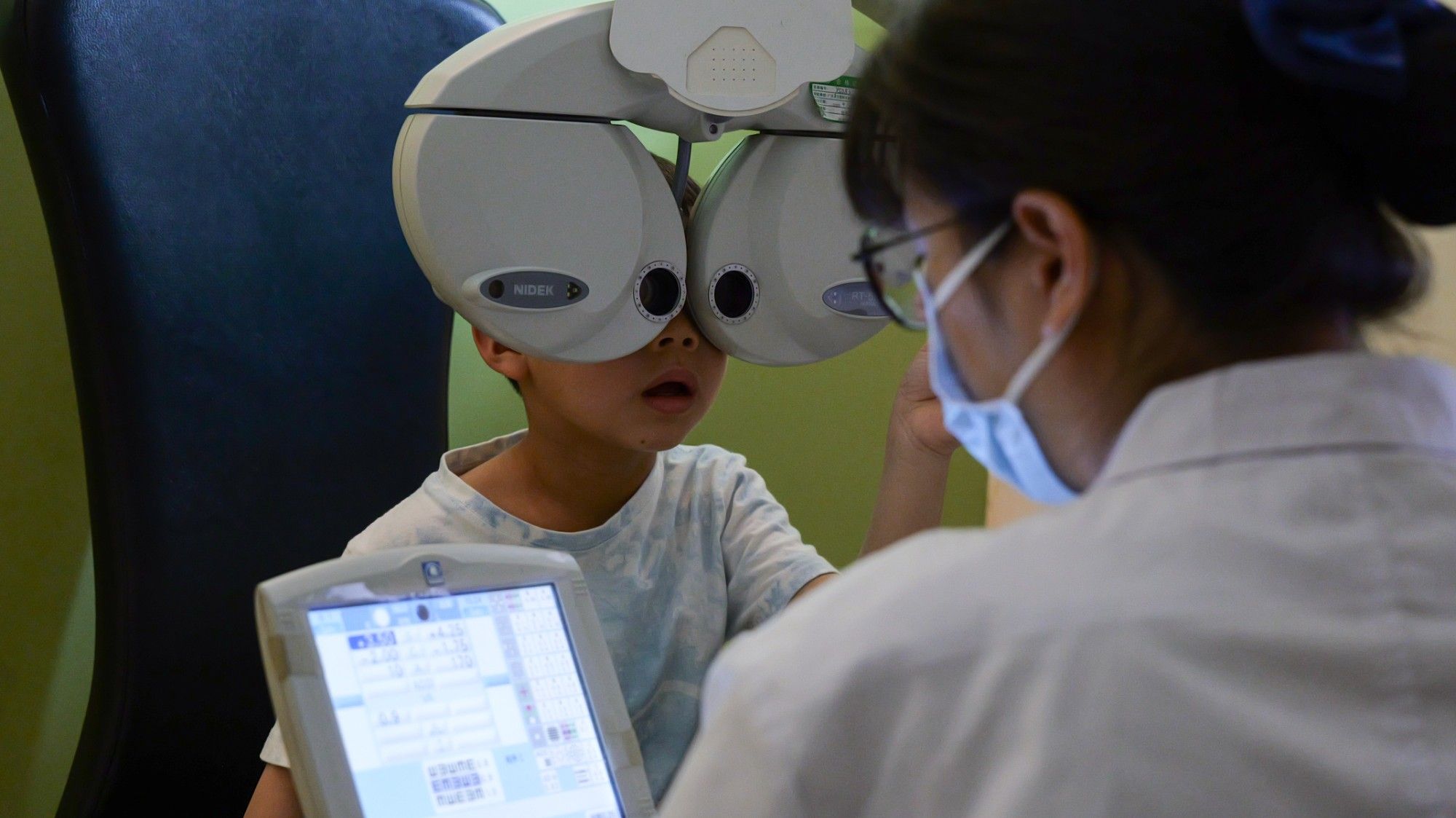
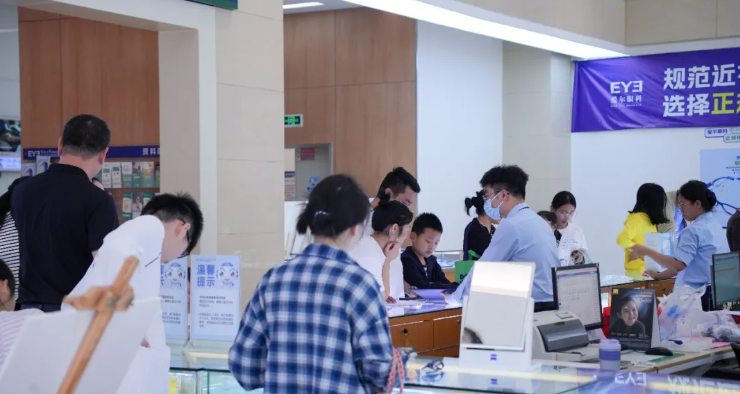
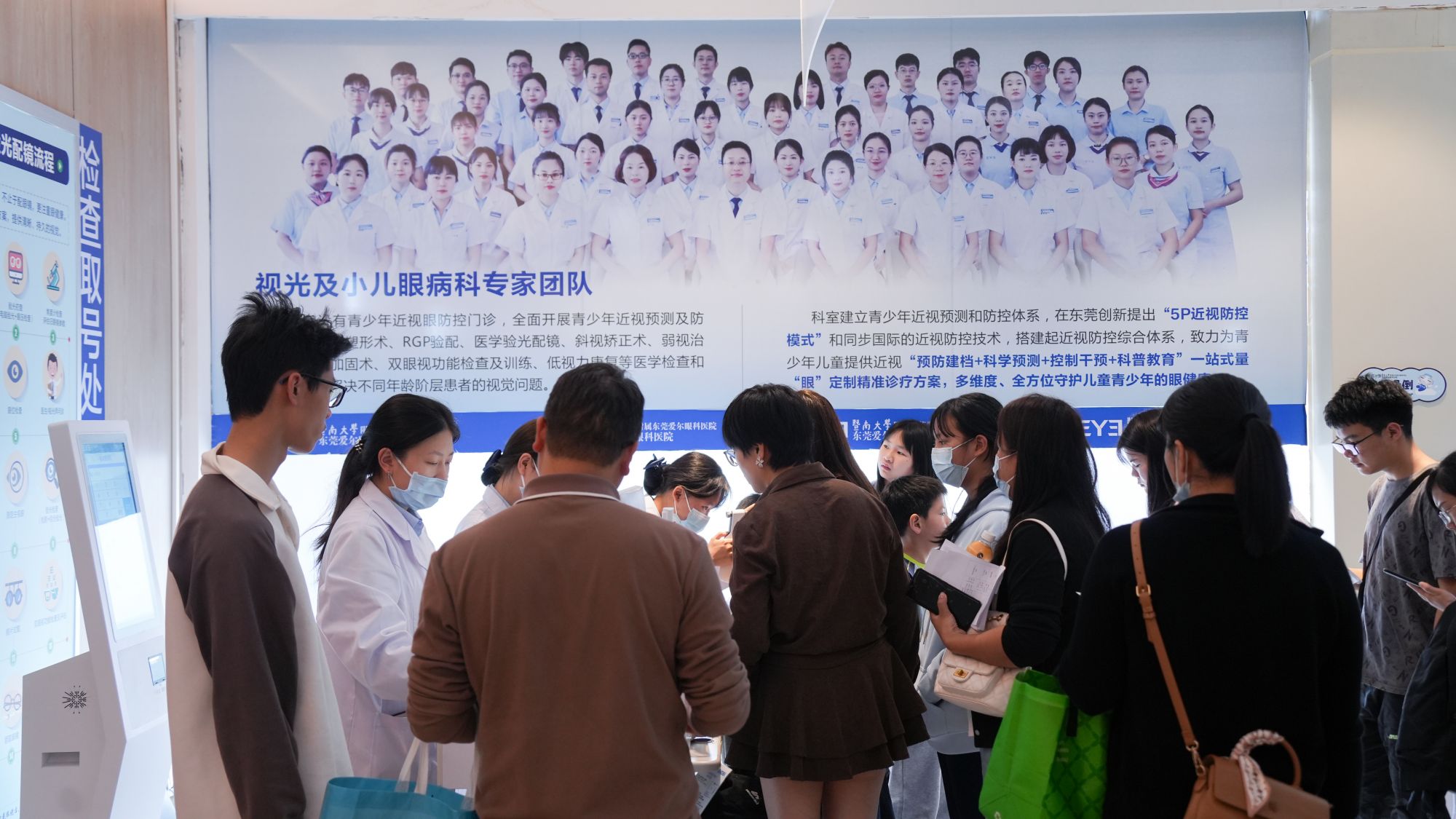
School's back in session—how's your child adjusting? This weekend, the optometry clinic at Dongguan Aier Eye Hospital was bustling—the waiting area was packed with kids fresh out of class, while parents gathered in groups, most frequently exchanging this line: “The teacher texted us, saying our child was squinting at the blackboard, so we rushed over for a checkup...”
Truth be told, the period around the start of each school year is always a “peak season” for children getting new glasses or replacing old ones. During winter break, tablets, phones, and TVs take turns dominating their time, compounded by irregular schedules, leaving their eyes quietly “protesting” all along. Once the new semester begins, with denser text on the blackboard and rearranged seating, their vision issues suddenly become impossible to hide.
So this week, no matter how busy you are, remember to ask your child:
“Can you still see the blackboard clearly? Are any characters blurry?”
Don't worry about sounding naggy—the first week of school is the perfect time to check on your child's vision.
For children not yet nearsighted, after a winter break of intense screen time, how much of their farsightedness reserve remains? Has this “vision savings account” quietly run dry?
For children who are already nearsighted, is their current prescription still adequate? Can last year's glasses still help them see the blackboard clearly this year? Do they need an adjustment to their vision protection plan?
These questions can't be answered by asking alone—they require a professional eye exam.
This month, the Ministry of Education has also highlighted a key point for parents:
As the March breeze caresses our faces, it's the perfect season for spring outings—and also the 12th National Myopia Prevention and Control Awareness Month. The Ministry's latest notice explicitly requires: ensuring students engage in at least 2 hours of comprehensive physical activity daily, guaranteeing normal recess activities for children.
But what you might not know is that behind the 2-hour outdoor activity requirement lies a crucial figure—150 minutes. Research shows that spending 150 minutes in an environment with 5,000 lux light intensity can reduce the risk of myopia by approximately 24%. What does this mean? The duration of activities under sunlight is the real secret to protecting eyesight.
Out of the daily 2 hours of outdoor activity, these 150 minutes are key.
Why is outdoor activity so effective? The reason lies not in “exercise” but in “light exposure.” Sunlight stimulates the body to produce more dopamine, a substance that effectively inhibits eyeball elongation and thus controls myopia progression.
Dr. Xiong Fan explains: “Accumulating 750,000 lux of light exposure daily—such as spending 150 minutes in a 5,000 lux/min environment—provides significant protective benefits. Even just 15 consecutive minutes of activity with light intensity exceeding 2,000 lux remains effective.”
Therefore, it doesn't matter whether children run or walk outdoors—the crucial step is to “get outside” and let their eyes soak up sunlight.
Myopia Prevention: Shifting from “Treating Existing Conditions” to “Preventing Future Onset”
“Historically, myopia prevention focused on early detection and intervention for children with existing myopia. Now, the emphasis is on prevention first,” Dr. Xiong Fan noted. The Ministry of Education's principle of “early intervention and minor correction” targets not only children with established myopia but also those in the pre-myopic stage or with insufficient hyperopic reserve.
This means action should be taken regardless of a child's current myopia status. For non-myopic children, the core lies in establishing refractive records, regular monitoring, and strengthening behavioral interventions. For children with existing myopia, active optical interventions and/or medication control are needed to slow progression.
Personalized Solutions for Diverse Needs
Each child's situation is unique, requiring tailored prevention and control measures. Dongguan Aier Eye Hospital offers multiple scientific prevention technologies to help children find the most suitable solution.
Orthokeratology (OK Lenses) As a Class III medical device, these lenses are worn overnight to provide clear daytime vision without glasses while effectively slowing myopia progression. Over its 11-year history, Dongguan Aier has accumulated over 30,000 OK lens fittings, with extensive data validating the technology's efficacy and safety.
Multifocal Defocus Glasses utilize specialized optical design to create a myopic defocus signal on the peripheral retina, similarly achieving myopia management. For younger children or those temporarily unsuitable for OK lenses, these glasses serve as an ideal daily prevention option.
Additionally, for young children or those with insufficient hyperopic reserve, low-concentration atropine and visual training can be integrated. A comprehensive assessment by a professional doctor, considering the child's axial length, refractive error, and visual habits, will tailor a customized plan.
Dr. Xiong Fan emphasizes: “Regardless of the chosen method, remember that professional fitting + standardized operation + regular follow-ups are all essential. Only through this approach can effective myopia control be achieved.”

咨询电话:
0769-22660023
医院地址:
东莞市东城区莞樟路石井路段171号-东莞爱尔眼科医院