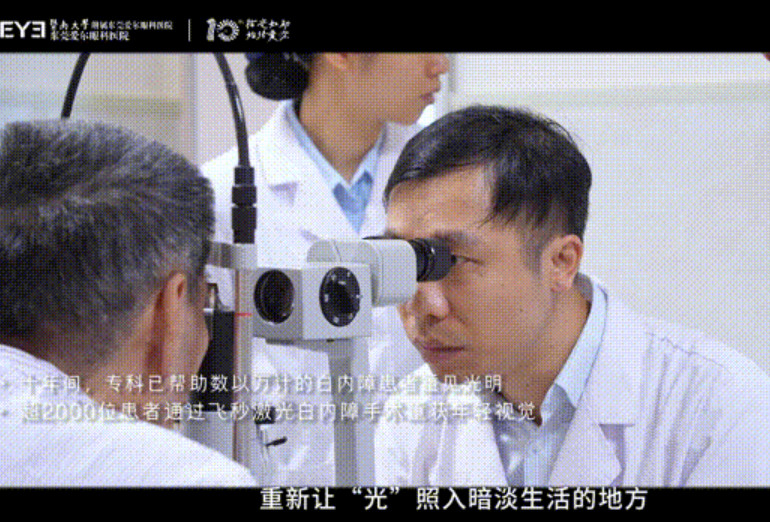
Dongguan Aier Eye Hospital: One City, Three Hospitals and One Clinic, Part of a Global Network
 0769-22660023 0769-22660023
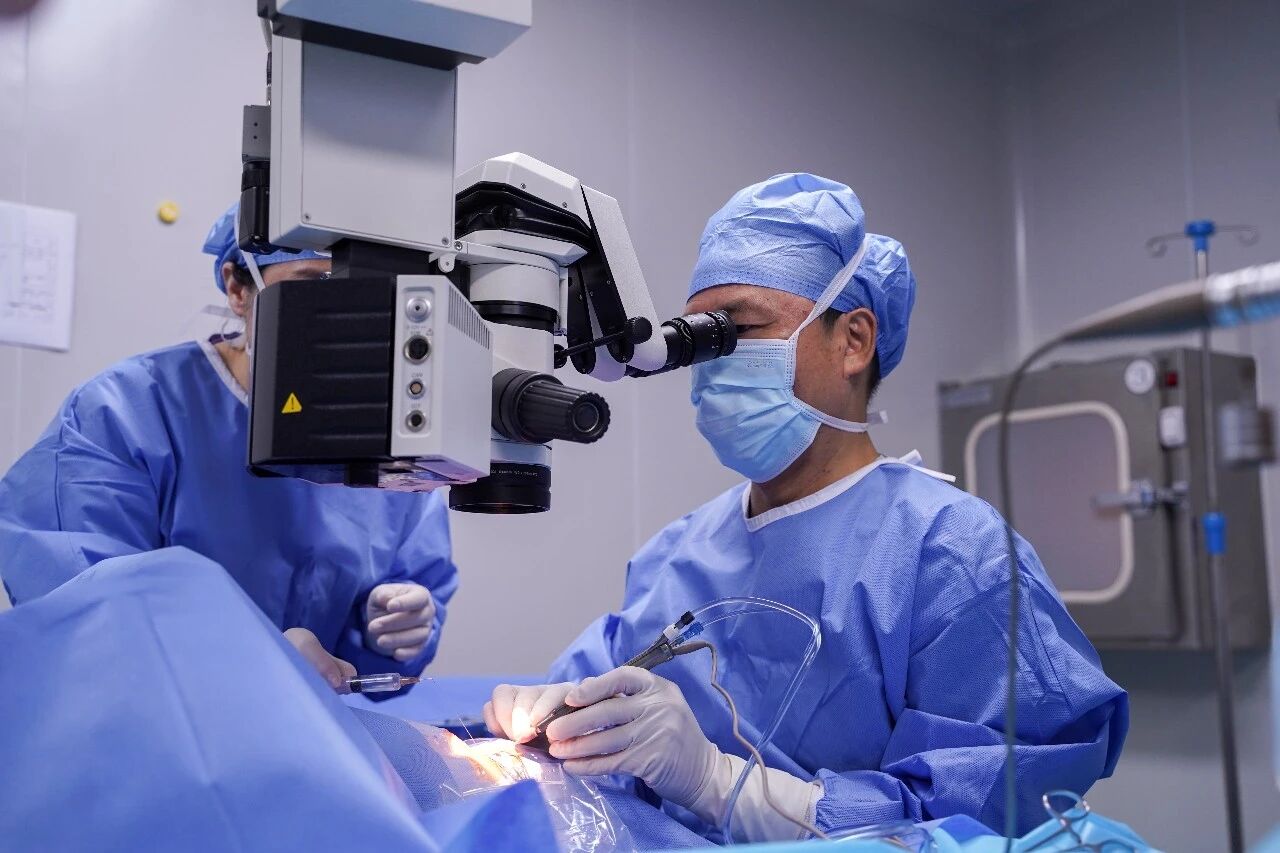
Insights into Dongguan Aier’s Femtosecond Laser Cataract Surgery On the morning of March 17, in the operating room at Dongguan Aier Eye Hospital, Director Liu Fei stood at the operating table, double-checking the patient’s corneal topography data. The patient had age-related cataracts in both eyes; vision in the left eye was only 0.1, with 110 degrees of astigmatism, and the steep axis of the astigmatism was at 73°. “To minimize postoperative astigmatism and ensure better visual quality, the primary corneal incision must be made at the 73° axis.” At this point, Director Liu Fei moved to the patient’s left side and used his left hand to perform the femtosecond laser-assisted phacoemulsification surgery. The procedure was completed successfully.
For an entire year, 58-year-old Ms. Chen had been troubled by a blurry world, as if a thin veil were always shrouding her vision, severely disrupting her daily life. Now she can once again see the world clearly, yet she remains unaware of this specific detail from the operating room. This professionalism and dedication hidden in the details represent the truest form of a physician’s responsibility toward their patients.
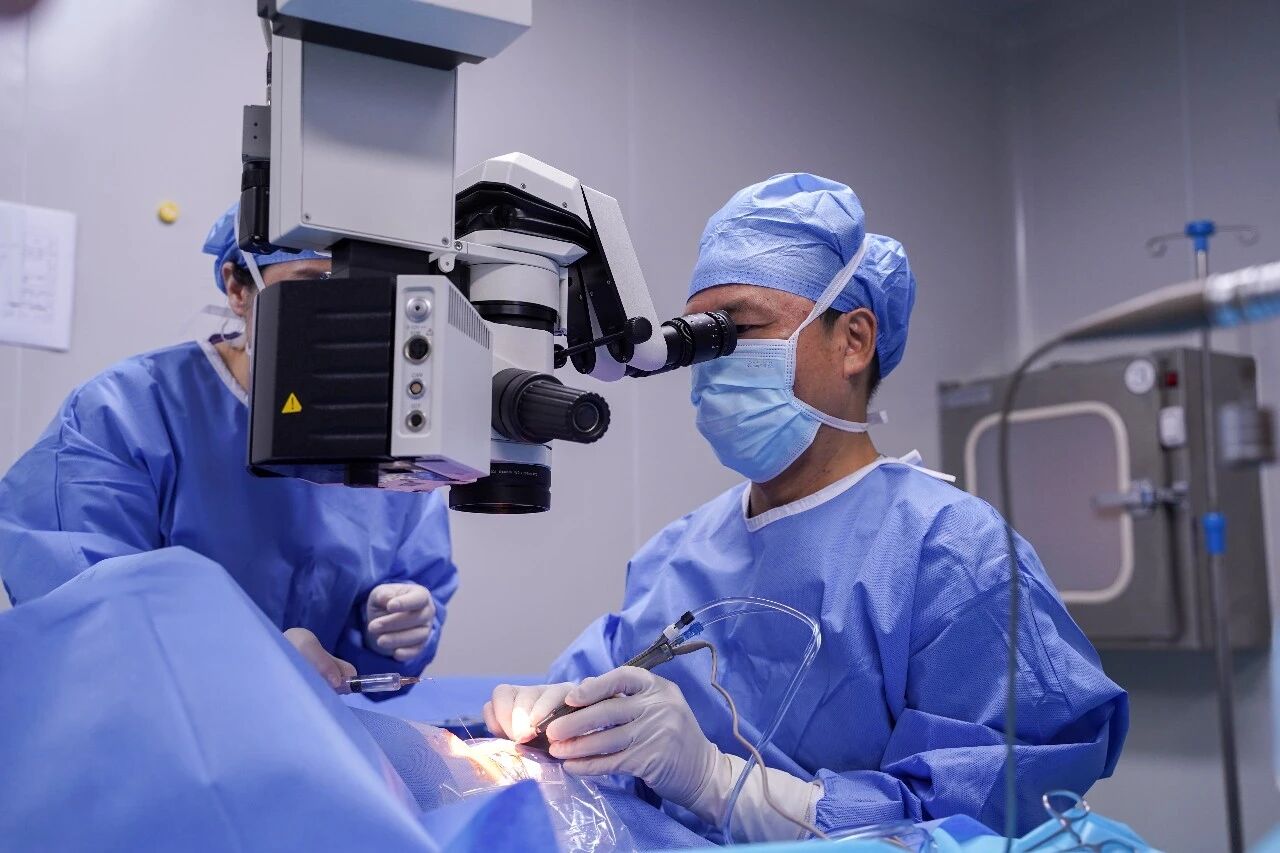
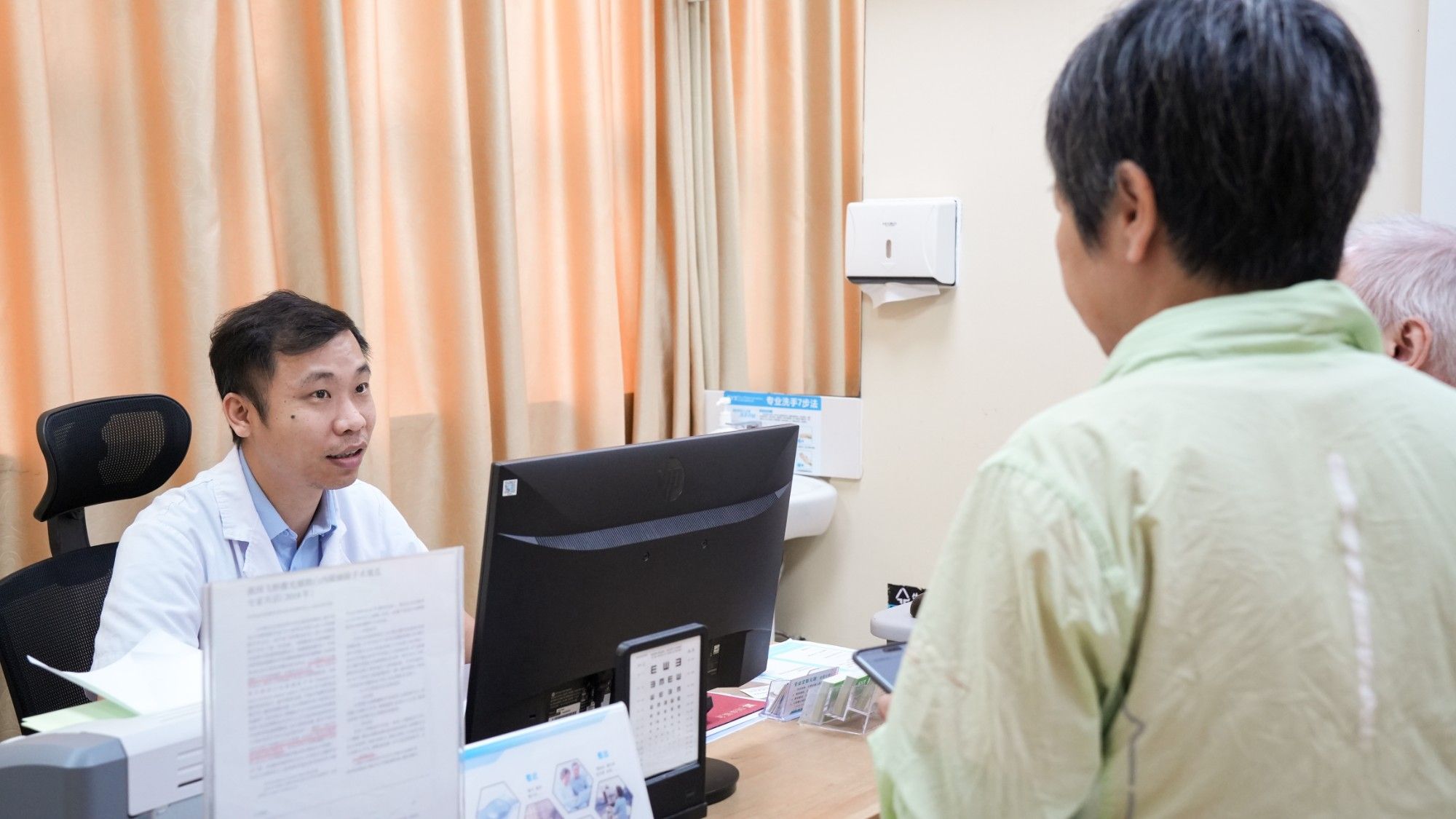
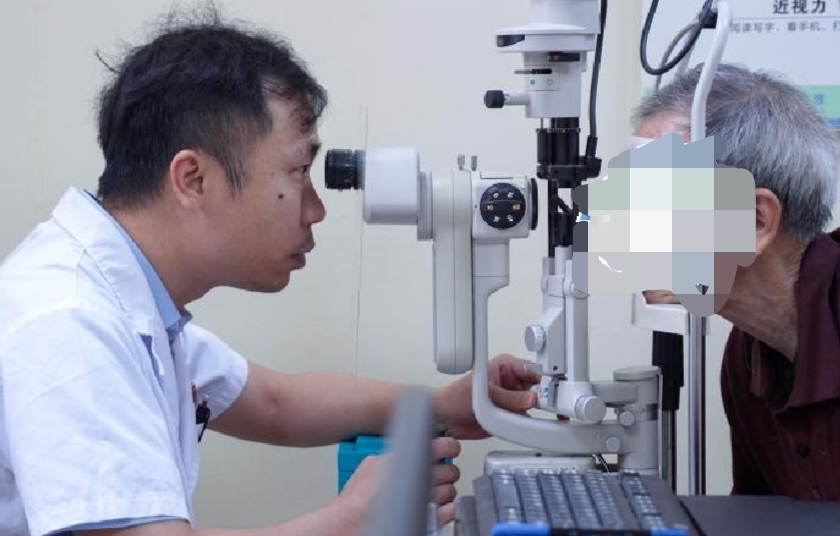
“Preoperative examination data for each patient is crucial,” said Director Liu Fei. “For every surgery, our doctors personally analyze the examination data to confirm details such as the patient’s astigmatism axis and carefully design the surgical plan.”
When designing a surgical plan for a patient, the correction of astigmatism is one of the key considerations. In ophthalmology, it is very common for cataracts to be accompanied by astigmatism. Data shows that the majority of the Chinese population has some degree of astigmatism, and the incidence of corneal astigmatism is even higher among cataract patients. If this factor is overlooked during surgery, patients may still experience double vision or blurred vision postoperatively, even after the cataract has been removed. The precise assessment and effective correction of astigmatism directly determine whether a patient’s vision will improve from merely “being able to see” to “seeing clearly and comfortably.”
“Everyone’s corneal topography and astigmatism axis are different; they are as unique as fingerprints,” explains Director Liu Fei. For this reason, at Dongguan Aier Eye Hospital, every cataract surgery plan is individually tailored. Surgeons determine the direction of the surgical incision based on each patient’s corneal topography data and astigmatism axis. By adjusting the position of the primary incision, they can correct a portion of the patient’s existing astigmatism, thereby enhancing visual acuity.
This attention to detail reflects the utmost consideration for patients’ postoperative visual quality and embodies the responsibility of medical professionals.
For Aunt Chen, that axis was 73°.
A steep astigmatism axis of 73° presents a practical challenge: for a right-handed surgeon, making an incision along this axis can feel somewhat awkward, making it difficult to ensure surgical precision. However, for Director Liu Fei, who is ambidextrous, this was no problem. To ensure the incision axis precisely aligns with the 73° steep axis of the astigmatism and achieve maximum correction, he decided to perform the surgery with his left hand.
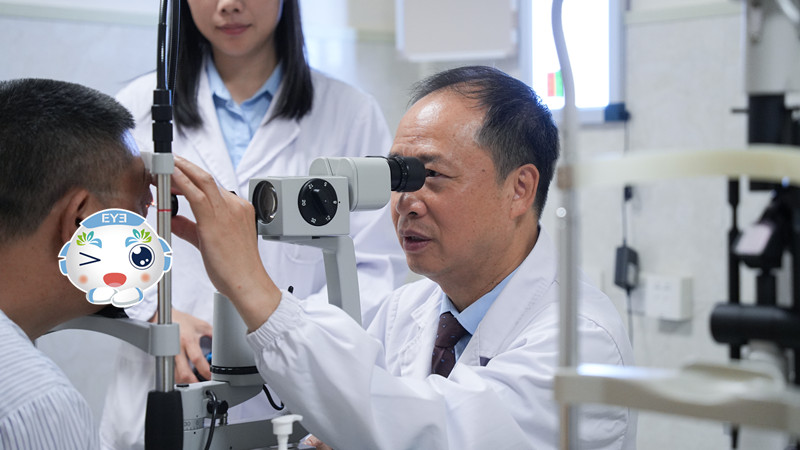
As a senior, versatile ophthalmic surgeon in China, Director Liu Fei is highly skilled in vitreoretinal, cataract, and refractive surgery, and is one of the few experts in the country capable of proficiently performing both anterior and posterior segment surgeries. Over 30 years of clinical experience have honed his ability to perform delicate ophthalmic surgeries with equal dexterity using either hand. Behind this skill lies the refinement gained from tens of thousands of surgeries, as well as a deep sense of responsibility toward every patient.
At the operating table, Director Liu Fei first performed the femtosecond laser procedure, creating a 5.1-millimeter anterior capsulorhexis and cutting the lens nucleus; he then created a primary incision at a 73-degree axial angle. With his left hand firmly controlling the phacoemulsification handpiece, he expertly emulsified the cataract nucleus and aspirated the cortex before implanting the intraocular lens. Every step was precise, smooth, and steady.
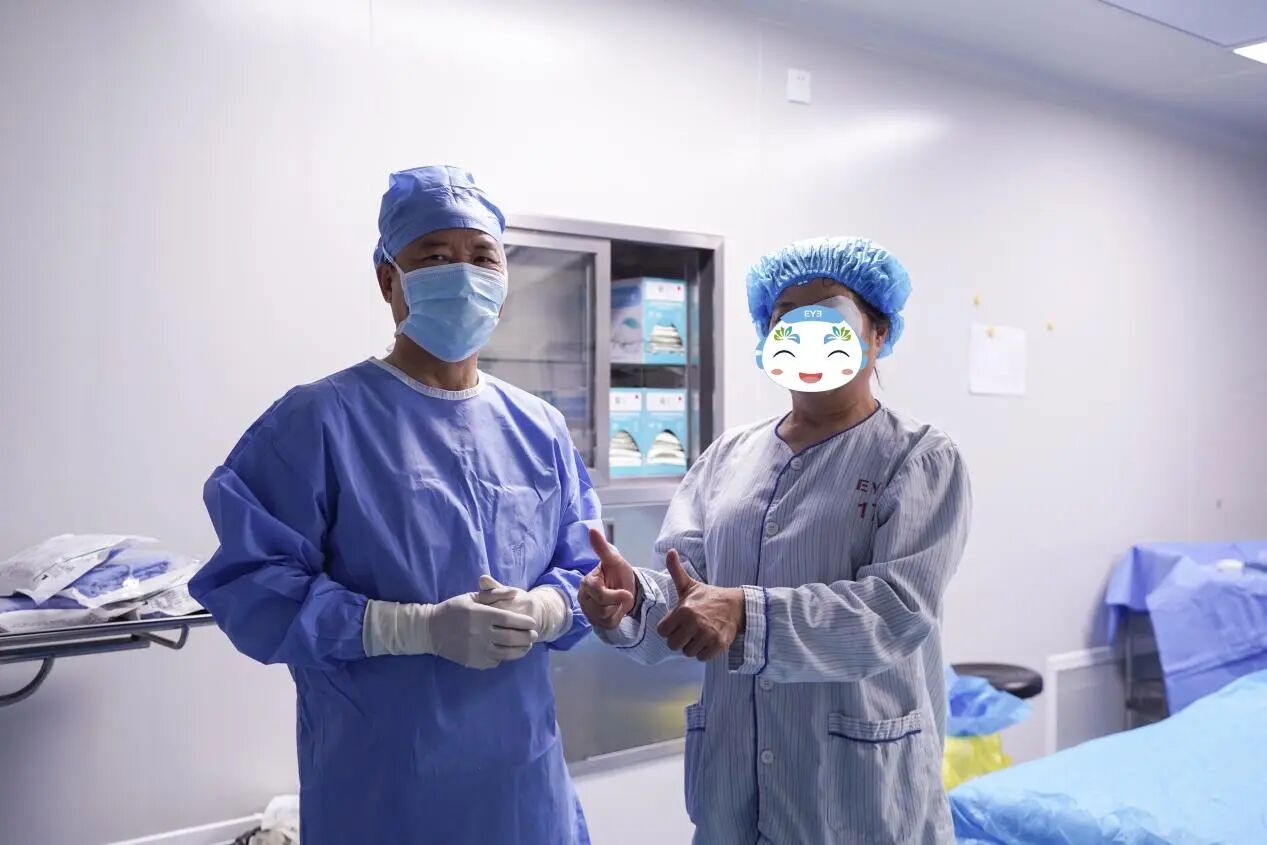
In recent years, cataract surgery has transitioned from the “sight-restoration era” to the “refractive era.” The application of technologies such as 3D digital navigation and femtosecond laser assistance has continuously improved surgical precision. However, technology is ultimately just a tool; what truly determines the quality of a surgery is always the hands that wield those tools—and the dedication behind them.
Director Liu Fei often says, “The more meticulous we are, the clearer our patients’ vision becomes, and the fewer regrets they have.”
The Dongguan Aier Eye Hospital medical team he leads consistently integrates this philosophy into every aspect of ophthalmic care, safeguarding the vision of every patient through personalized treatment plans and precise, meticulous procedures.

咨询电话:
0769-22660023
医院地址:
东莞市东城区莞樟路石井路段171号-东莞爱尔眼科医院