Dongguan Aier Eye Hospital: One City, Three Hospitals and One Clinic, Part of a Global Network
 0769-22660023 0769-22660023
The primary cause of discomfort in dry eye patients is meibomian gland dysfunction, which leads to insufficient secretion of the lipid layer in the outermost layer of the tear film. This results in accelerated tear evaporation, causing frequent symptoms such as dryness, a foreign body sensation, and gritty discomfort.
Image
Meibomian gland dysfunction can cause blocked gland openings and glandular atrophy, thinning the lipid layer of the tear film. Chronic inflammation of the meibomian glands, blocked openings, and increased viscosity of meibum within the ducts can further exacerbate gland deformation, degeneration, and even disappearance. This leads to reduced meibum production, excessive tear evaporation, and eye discomfort. Therefore, dry eye syndrome requires early intervention and treatment.
Image▶ Meibomian gland dysfunction showing glandular loss
What is the treatment principle of LipiFlow?
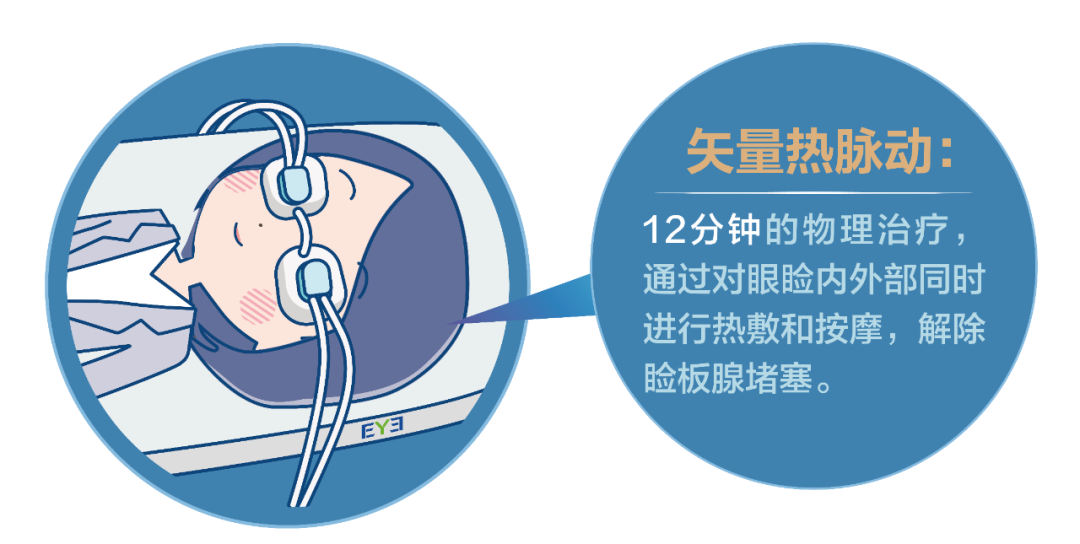
Image: LipiFlow primarily targets the upper and lower meibomian glands. It safely heats them to a constant 42.5°C while simultaneously applying three distinct pulsed pressure modes to gently massage the glands. This painless process effectively liquefies blocked meibum and facilitates its efficient drainage.
By combining internal eyelid heating with external massage, this dual-action approach delivers results in just over ten minutes per session. For most patients with meibomian gland obstruction, it provides 6-12 months of improvement in meibomian gland dysfunction.
Image
▶ Demonstration of LipiFlow's Thermal Pulsation Principle
1
How does LipiFlow work?
What conditions does it primarily address?
● It relieves meibomian gland blockage through thermal energy and a 12-minute pulsed pressure treatment. Inside the eyelid, constant 42.5°C (108.5°F) technology delivers heat directly to the meibomian glands, melting blocked meibum. Externally, an eye cup with an airbag applies pulsed pressure massage to the outer eyelid in different modes, expelling the melted meibum.
● Primarily addresses meibomian gland dysfunction characterized by obstruction.
2
Can LipiFlow treat meibomian gland atrophy?
Is treatment still necessary if gland loss is severe?
● Meibomian gland atrophy is irreversible. Current dry eye treatments aim to reopen blocked gland openings, first expelling accumulated unhealthy lipids, then facilitating the production and drainage of healthy lipids to lubricate the ocular surface and provide a protective film.
● Treatment outcomes for patients with severe atrophy do not last as long as those with mild to moderate cases. However, without intervention, the condition will worsen and will not improve on its own.
3
How long after LipiFlow treatment does it take to see results?
How can I tell if my meibomian glands are unblocked?
● After LipiFlow treatment clears the glands, the next 1-2 weeks allow the glands to produce new lipids. During this period, your eyes may feel drier—this indicates the glands are unblocked and preparing to secrete fresh lipids.
Translated with DeepL.com (free version)

咨询电话:
0769-22660023
医院地址:
东莞市东城区莞樟路石井路段171号-东莞爱尔眼科医院