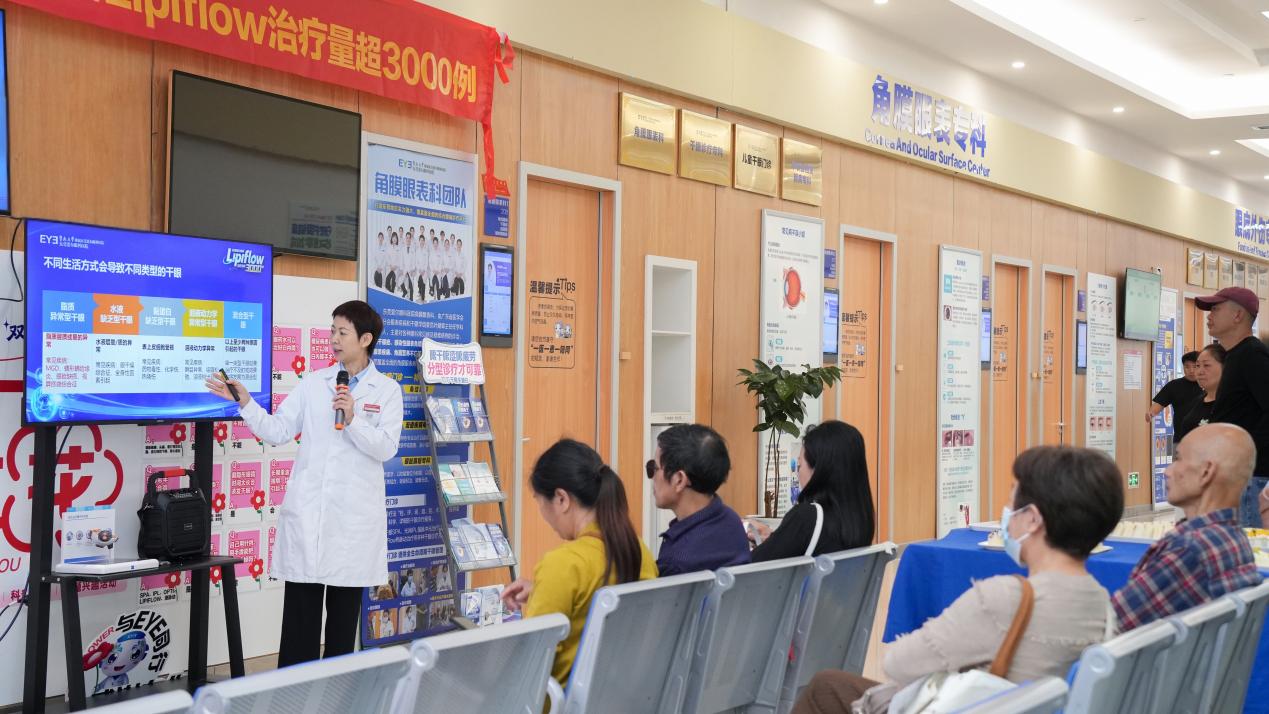
Dongguan Aier Eye Hospital: One City, Three Hospitals and One Clinic, Part of a Global Network
 0769-22660023 0769-22660023
25–31 May marks ‘International Thyroid Awareness Week’. Thyroid-associated ophthalmopathy (TED, commonly known as Graves’ ophthalmopathy) is the most common orbital disease worldwide. Due to factors such as a lack of public awareness and disparities in diagnostic and treatment standards across regions, the majority of patients do not receive timely and standardised care. By the time a diagnosis is made, the condition has often progressed to a moderate or severe stage, and some patients even suffer irreversible eye damage, posing a serious threat to their visual health.
To address this clinical challenge, Dongguan Aier Eye Hospital officially established the “Specialist Thyroid-Associated Eye Disease Clinic” in 2025. Guided by the principle of “precise diagnosis and personalised
treatment”, the clinic implements standardised diagnostic and treatment pathways, establishing a comprehensive, closed-loop management system covering prevention, diagnosis, treatment and rehabilitation. By taking the lead in establishing industry standards for specialised clinics, the hospital has ushered in a new era of standardised and precise diagnosis and treatment for thyroid-related eye diseases, thereby fortifying the defence of visual health for TED patients.
Even with Normal Thyroid Function, You May Still Be at Risk: Five Groups Should Be Wary of Exophthalmos
Thyroid-associated ophthalmopathy is a classic autoimmune disease with a rather unique pathogenesis. The eye socket shares a similar structure to the thyroid gland; consequently, whilst the disease attacks the thyroid gland, it mistakenly invades ocular tissues within the eye socket—such as the extraocular muscles, fat and fascia—gradually leading to typical symptoms including protrusion of the eyeball, retraction of the eyelids, redness and swelling around the eyes, dryness, a sensation of fullness and pain, and double vision. If the condition continues to progress, it can cause corneal ulcers and perforation, and may directly compress the optic nerve, and in severe cases, lead to blindness.
Statistics indicate that the prevalence of thyroid-associated ophthalmopathy in China is approximately 0.1%–0.3% [1], with over 3 million patients nationwide [2]. Data from the ‘Chinese Guidelines for the Diagnosis and Treatment of Thyroid-Associated Ophthalmopathy (2022)’ indicate that 85%–90% of patients with thyroid-associated ophthalmopathy have hyperthyroidism, 5% have hypothyroidism, and a further 5%–15% have completely normal thyroid function indicators [3], yet they remain at risk of ocular lesions.
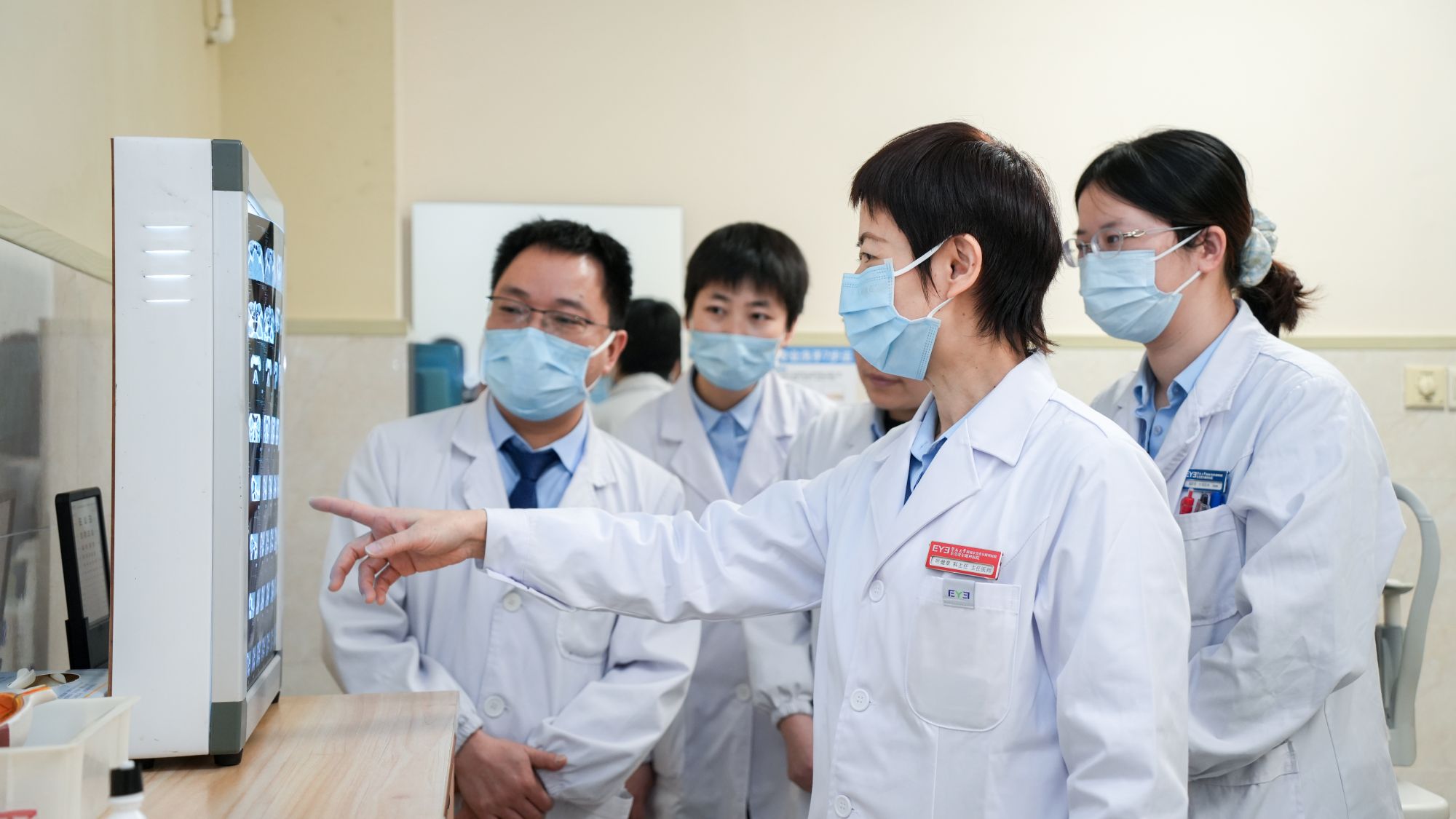
Dr Ye Jianzhang, Chief Physician and Head of the Ocular Surface Department at Dongguan Aier Eye Hospital, cautions that normal thyroid function does not preclude the risk of eye disease. As long as relevant antibodies such as TRAb and TPOAb are positive, the immune system will continue to damage ocular tissues; some patients may even first present with symptoms such as exophthalmos and dry eyes before being subsequently diagnosed with thyroid disease. She emphasises that thyroid-associated ophthalmopathy is a complex condition requiring multidisciplinary management, which is difficult to achieve comprehensively within a single department.
Early Diagnosis and Treatment Are Key Specialist Clinics Provide One-Stop, Targeted Diagnosis and Treatment
Dr Ye Jianzhang emphasised that early diagnosis and treatment of thyroid-associated ophthalmopathy are crucial. Patients should remain vigilant and seek effective treatment at the earliest stage of the disease to maximise the protection of their vision and improve their quality of life.
If you experience any of the following warning signs, please seek medical attention immediately:
· Protrusion of the eyeballs, inability to close the eyelids completely
· Double vision (diplopia), pain when moving the eyes
· Diminished vision, corneal redness or ulcers
· A history of hyperthyroidism or hypothyroidism accompanied by eye discomfort
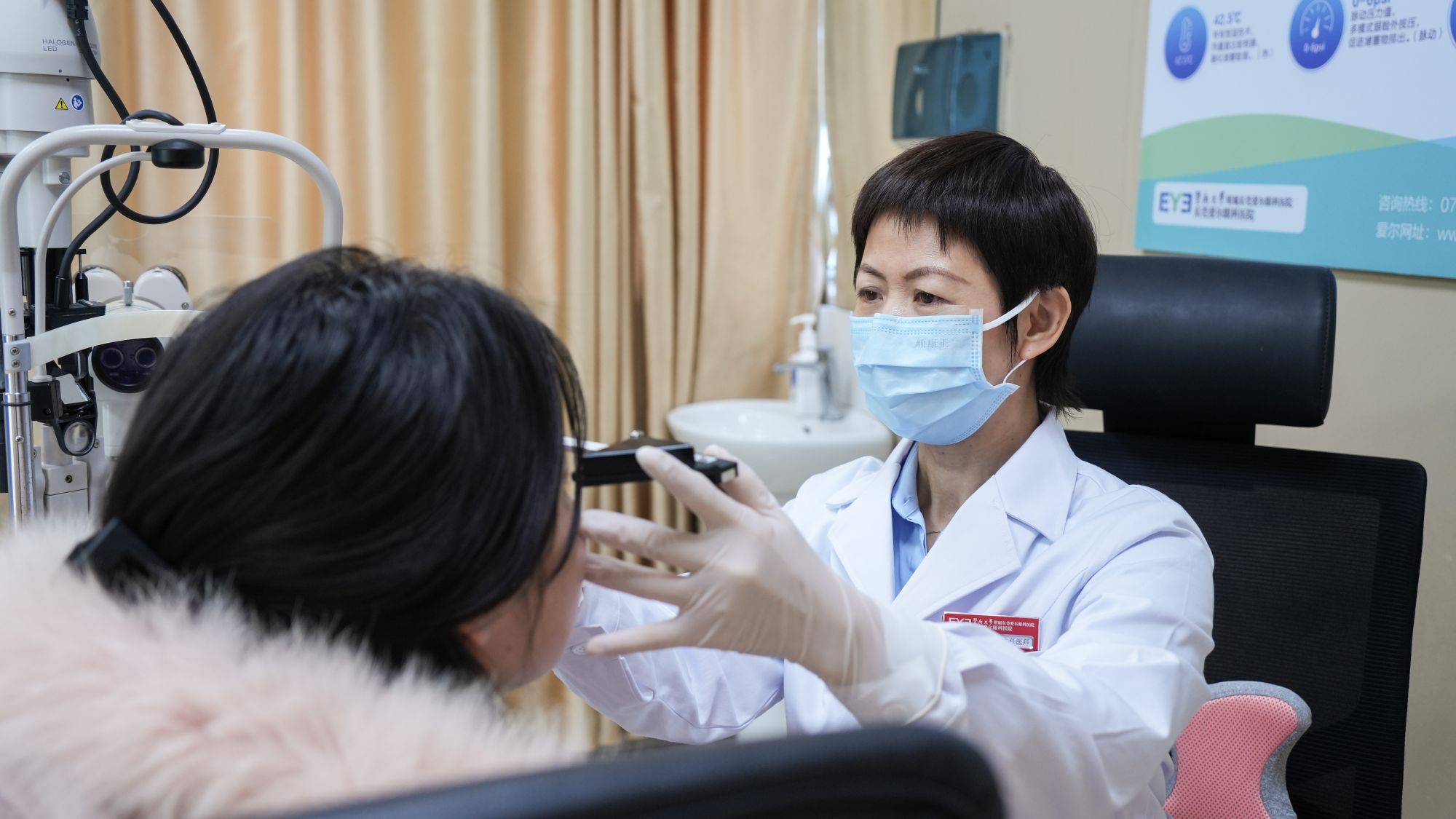
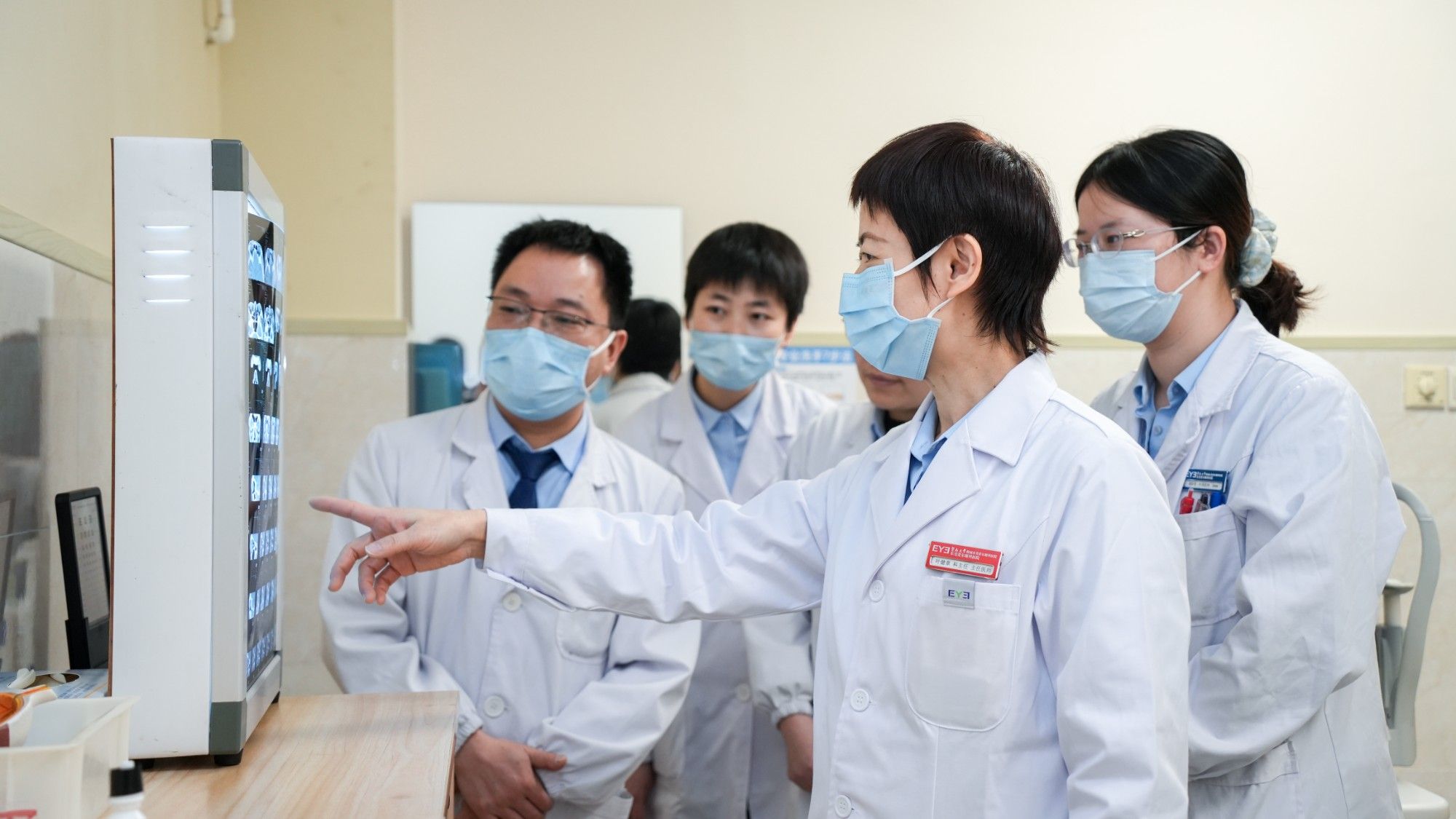
叶健章主任医师为患者检查眼睛
“The purpose of establishing a specialist clinic is to provide patients with more precise medical services, tailoring personalised treatment plans based on each patient’s underlying causes and stage of the condition, and continuously optimising and adjusting these plans throughout the course of treatment. This creates a seamless pathway within the hospital, from diagnosis and treatment through to follow-up examinations, thereby providing patients with thyroid-associated ophthalmopathy with systematic, standardised, personalised and convenient diagnosis and treatment. ”
In January 2026, the targeted therapy for thyroid-associated ophthalmopathy—Tentolizumab N01 Injection—was included in the national healthcare insurance scheme, significantly reducing the financial burden of treatment for patients with thyroid-associated ophthalmopathy (TED). Dongguan Aier Eye Hospital has actively implemented this policy by simultaneously opening a healthcare insurance ‘green channel’ for its specialised thyroid-associated ophthalmopathy clinic, enabling patients to swiftly benefit from this development and ensuring standardised, sustainable treatment.
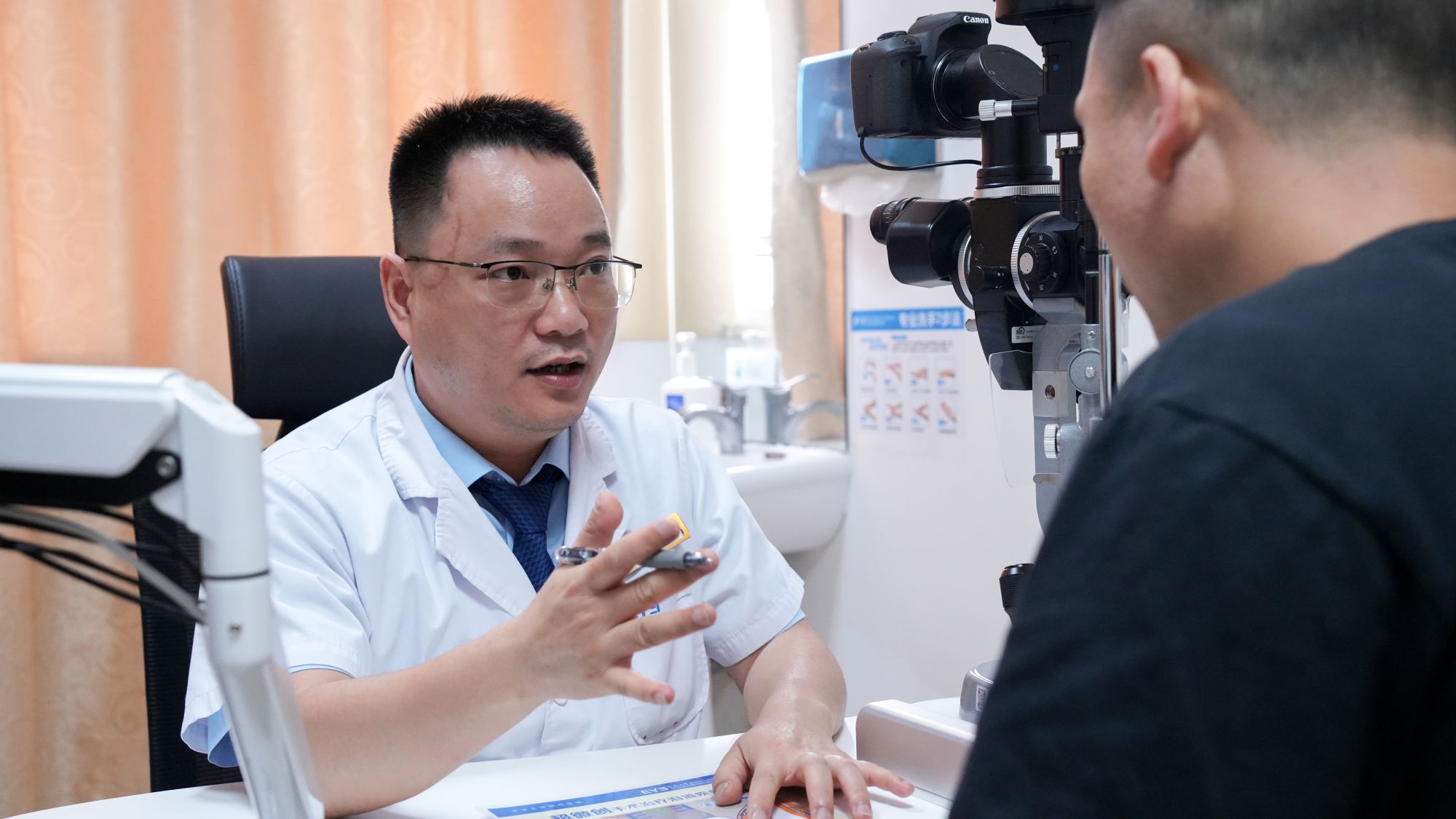
阮远飞副主任医师为患者看诊
Associate Chief Physician Ruan Yuanfei explained: “Aier Eye Hospital’s expertise in thyroid-related eye conditions is now on a par with international standards, enabling us to provide comprehensive symptomatic drug therapy, supportive care and surgical treatment.” In addition to radiotherapy and the use of innovative drugs, the hospital selects the most appropriate timing and method of surgery based on each patient’s specific condition, including orbital decompression surgery, eye muscle surgery and eyelid retraction correction.
Coinciding with International Thyroid Awareness Week, Aier Eye Hospital in Dongguan has actively launched a campaign advocating that ‘hyperthyroidism and hypothyroidism can cause exophthalmos; specialised treatment is more reliable!’ It calls on the whole of society to pay greater attention to the eye health of thyroid patients.
Data sources:
[1] Shangguang News: New domestically produced drug for thyroid eye disease set to launch; ‘Belt and Road’ Eye Health Alliance established in Shanghai
https://export.shobserver.com/baijiahao/html/867980.html
[2] Beijing News: Experts warn: Hyperthyroidism patients experiencing protruding eyes, photophobia or double vision should be alert to thyroid-associated exophthalmos
https://baijiahao.baidu.com/s?id=1827168663946541561&wfr=spider&for=pc
[3] ‘Chinese Guidelines for the Diagnosis and Treatment of Thyroid-Associated Ophthalmopathy (2022)’

咨询电话:
0769-22660023
医院地址:
东莞市东城区莞樟路石井路段171号-东莞爱尔眼科医院