Dongguan Aier Eye Hospital: One City, Three Hospitals and One Clinic, Part of a Global Network
 0769-22660023 0769-22660023
They say we live in a world where looks matter—where beauty is everything.
Some online sources even claim that 90% of a person’s attractiveness is determined by their eyes. Not only do our eyes influence our appearance, but we also rely on them to convey our thoughts and emotions, and to see and understand this colorful world.
Our precious yet fragile eyes require extra care and attention, because even the slightest oversight can cause irreversible damage.
Glaucoma is a type of irreversible, vision-threatening eye disease. 80% of patients experience no symptoms before the onset of the disease. This terrifying “thief of sight” steals a little at a time—each time it does, the damage to the optic nerve becomes more severe. Once it has stolen everything, blindness may follow.
Yet these four everyday actions, commonly performed by both adults and children, are surprisingly its “accomplices.”
01
Using a Phone in the Dark
Smartphones have become an indispensable “companion” in our work and daily lives. Even when lying in bed, many of us scroll through our phones in the dark before falling asleep. However, prolonged use in dim lighting causes the pupils to dilate, obstructing the circulation of intraocular fluid. For patients with shallow anterior chambers, this can easily trigger an acute attack of angle-closure glaucoma.
02
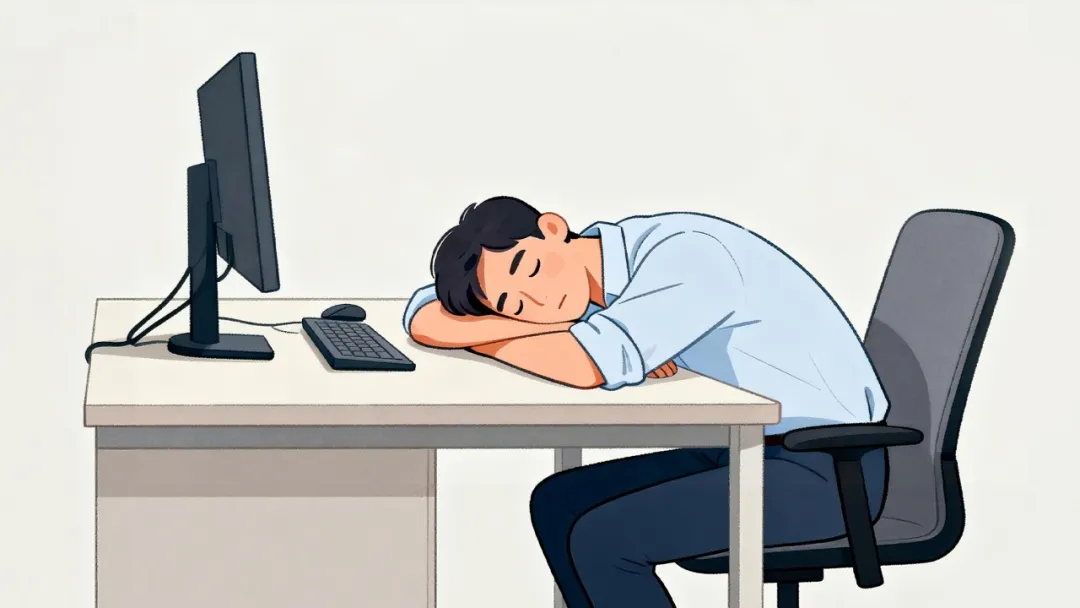
Napping with Your Head on the Desk
For many office workers, napping with their head on the desk has become a routine part of the workday. However, sleeping in this position can reduce blood flow to the brain, leading to dizziness and blurred vision upon waking. Additionally, the pressure from your arm pressing against your eyes can exert stress on the eye. For those already at risk for glaucoma, maintaining this sleeping posture for extended periods can easily trigger the condition.
03
Abuse of Corticosteroid Eye Drops
Generally, corticosteroid eye drops have anti-inflammatory, anti-allergic, and immunosuppressive effects. When used properly, they can effectively alleviate and prevent inflammatory reactions in tissues and reinforce treatment outcomes.
However, using them without a doctor’s guidance or blindly on your own may increase intraocular pressure or lead to steroid-induced glaucoma, causing visual field loss and vision impairment. This affects visual function and, in severe cases, can lead to blindness.
04
Vigorously Rubbing the Eyes
When your eyes feel uncomfortable, you might instinctively rub them, thinking it will provide relief. But behind that “comfort” lies a huge risk!
If you already have glaucoma, rubbing can make the condition worse. Glaucoma is caused by the buildup of fluid inside the eye, which damages the optic nerve and can eventually lead to blindness. Rubbing your eyes disrupts blood flow, potentially causing nerve damage and permanent vision loss—this behavior must be avoided.
Who Is Prone to Glaucoma?
01- People with anatomical variations in the eye
Simply put, these individuals have eye structures that differ from the norm, such as congenitally narrow angles of the anterior chamber, short axial length, or small eyes. Due to these structural abnormalities, their aqueous humor circulation is highly unstable, making them prone to acute glaucoma.
02- People with a family history of glaucoma
Individuals with a family history of glaucoma have a genetic predisposition, and their incidence rate is higher than that of people without such a history.
03- People with other medical conditions
Glaucoma can be a complication of certain diseases, such as high myopia, diabetes, and cardiovascular disease. Patients with these conditions may develop acute glaucoma.
Doctor’s Reminder
Dr. Deng Jiangwen, Director of the Glaucoma Department at Dongguan Aier Eye Hospital, cautions: The danger of glaucoma lies in its irreversibility and insidious nature. Therefore, regular routine eye examinations are crucial for early detection, and high-risk individuals should undergo checkups even more frequently. Early detection, early diagnosis, and early treatment are key.
Simple Self-Test Tips
Close your left eye and keep only your right eye open. If you notice a blind spot in your right eye’s field of vision, this indicates a visual field defect. Similarly, close your right eye and keep only your left eye open to check for defects in your left eye’s visual field. If you detect any visual field defects, seek prompt medical evaluation and treatment to prevent glaucoma from gradually “eroding” your vision.
咨询电话:
0769-22660023
医院地址:
东莞市东城区莞樟路石井路段171号-东莞爱尔眼科医院