Dongguan Aier Eye Hospital: One City, Three Hospitals and One Clinic, Part of a Global Network
 0769-22660023 0769-22660023
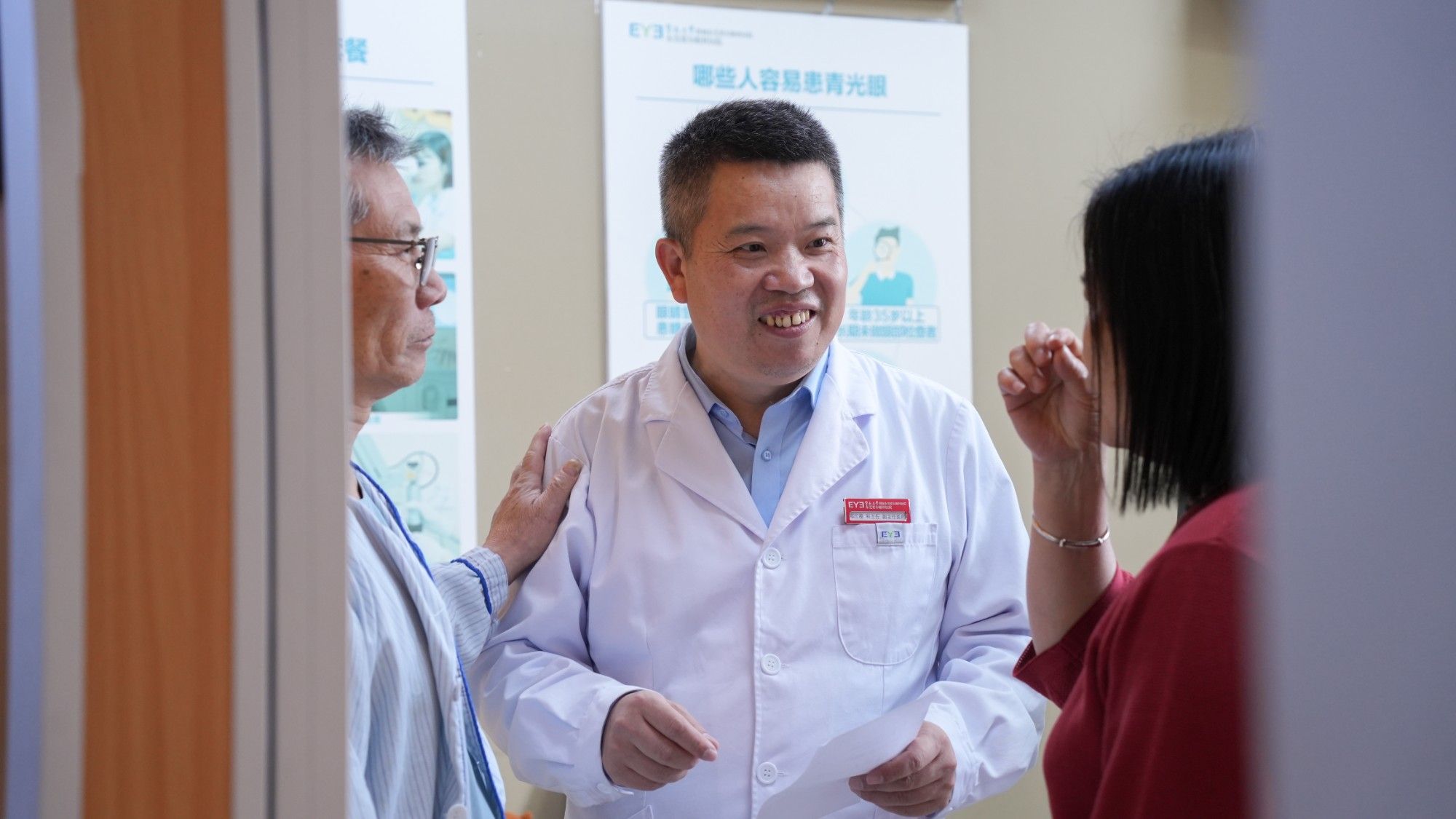
Glaucoma is the leading cause of irreversible blindness worldwide. As people’s work and lifestyles change, the incidence of glaucoma is on the rise. Director Deng Jiangwen points out that among the various screening indicators for glaucoma, family history plays a significant role, particularly first-degree family history, which is crucial for the diagnosis and screening of glaucoma.
Whether it is primary open-angle glaucoma, primary angle-closure glaucoma, ocular hypertension, or pediatric glaucoma, all of these conditions exhibit a certain degree of familial heredity.
Therefore, it is recommended that during outpatient or inpatient care for glaucoma, patients be reminded of the likelihood of a family history of glaucoma, as this approach can help us identify patients with early-stage glaucoma.
Among the relatives of glaucoma patients, first-degree relatives have a higher probability of developing the condition. Therefore, early screening is essential for the first-degree relatives of glaucoma patients. Pupillary block is the primary pathogenesis of angle-closure glaucoma, which is associated with lens expansion due to aging. Consequently, for first-degree relatives of angle-closure glaucoma patients, routine glaucoma screening is recommended after the age of 40.
If early signs of glaucoma are detected, procedures such as iridectomy or peripheral iridoplasty can be performed to reduce the risk of a major glaucoma attack. If screening reveals that the disease has already progressed to the middle or late stages of glaucoma, active surgical intervention should be pursued.
For first-degree relatives of patients with open-angle glaucoma, it is recommended to begin screening at an earlier age. For example, if a patient with open-angle glaucoma was diagnosed at age 30, their relatives should undergo screening between the ages of 20 and 25 to establish baseline data, including 24-hour intraocular pressure measurements, followed by follow-up visits every 3 to 6 months, or even longer-term glaucoma monitoring.
咨询电话:
0769-22660023
医院地址:
东莞市东城区莞樟路石井路段171号-东莞爱尔眼科医院