Dongguan Aier Eye Hospital: One City, Three Hospitals and One Clinic, Part of a Global Network
 0769-22660023 0769-22660023
In our outpatient consultations for the Department of Optometry and Pediatric Ophthalmology, we often encounter challenges such as:
Children who consistently wear their glasses and perform basic amblyopia training as scheduled, yet their visual acuity remains stuck at a certain level for a long time without improvement;
Children whose stereopsis and binocular fusion function lag behind, failing to reach normal visual function levels;
Older adolescents and adults with amblyopia who, influenced by the long-held belief that "improvement is impossible beyond the critical intervention period," give up rehabilitation opportunities early on…
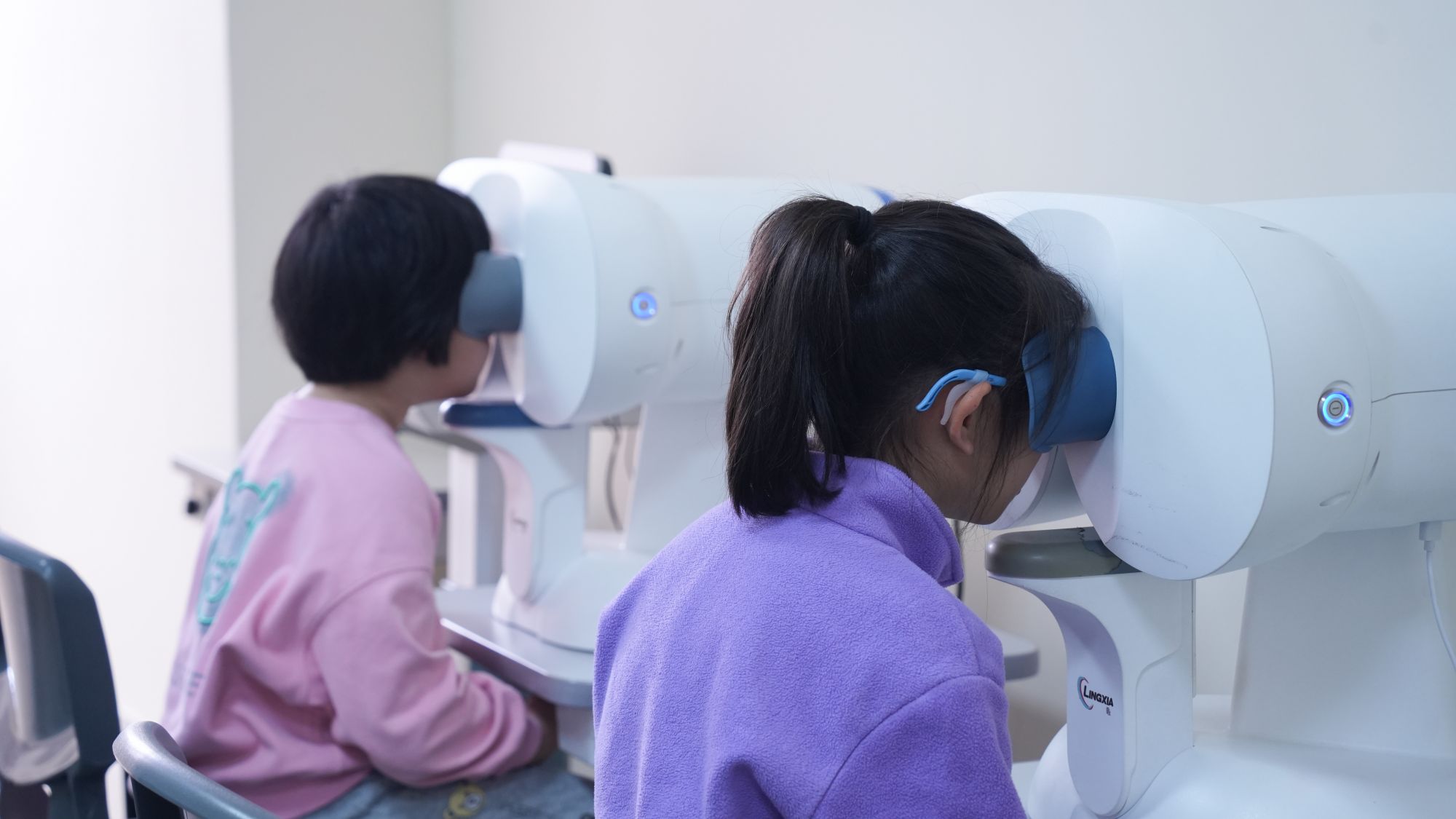
Many people assume that stagnant vision or poor rehabilitation outcomes are due to a lack of persistence or poor compliance on the child's part. However, based on years of clinical experience at the Visual Perception Training and Rehabilitation Department of Dongguan Aier Eye Hospital, we have found that most rehabilitation bottlenecks are actually caused by monotonous training methods, inadequate equipment adaptation, and insufficiently refined diagnostic and treatment plans.
Visual function rehabilitation is a rigorous medical endeavor. To steadily break through vision plateaus, comprehensive hardware equipment is the foundation, but a professional medical team and standardized clinical processes are the key.
Visual Training
1. A Full-Tier Equipment System
Adapted to the needs of visual function rehabilitation at different stages.
Everyone's visual function issues are unique—age and the degree of impairment vary, and suitable training protocols differ accordingly. Basic, one-size-fits-all training is often inadequate for resolving complex or stubborn visual function problems.
To provide every patient with a more comprehensive and tailored rehabilitation plan, our Visual Perception Training and Rehabilitation Department has established a tiered, full-coverage professional training equipment system that precisely matches various visual rehabilitation scenarios:
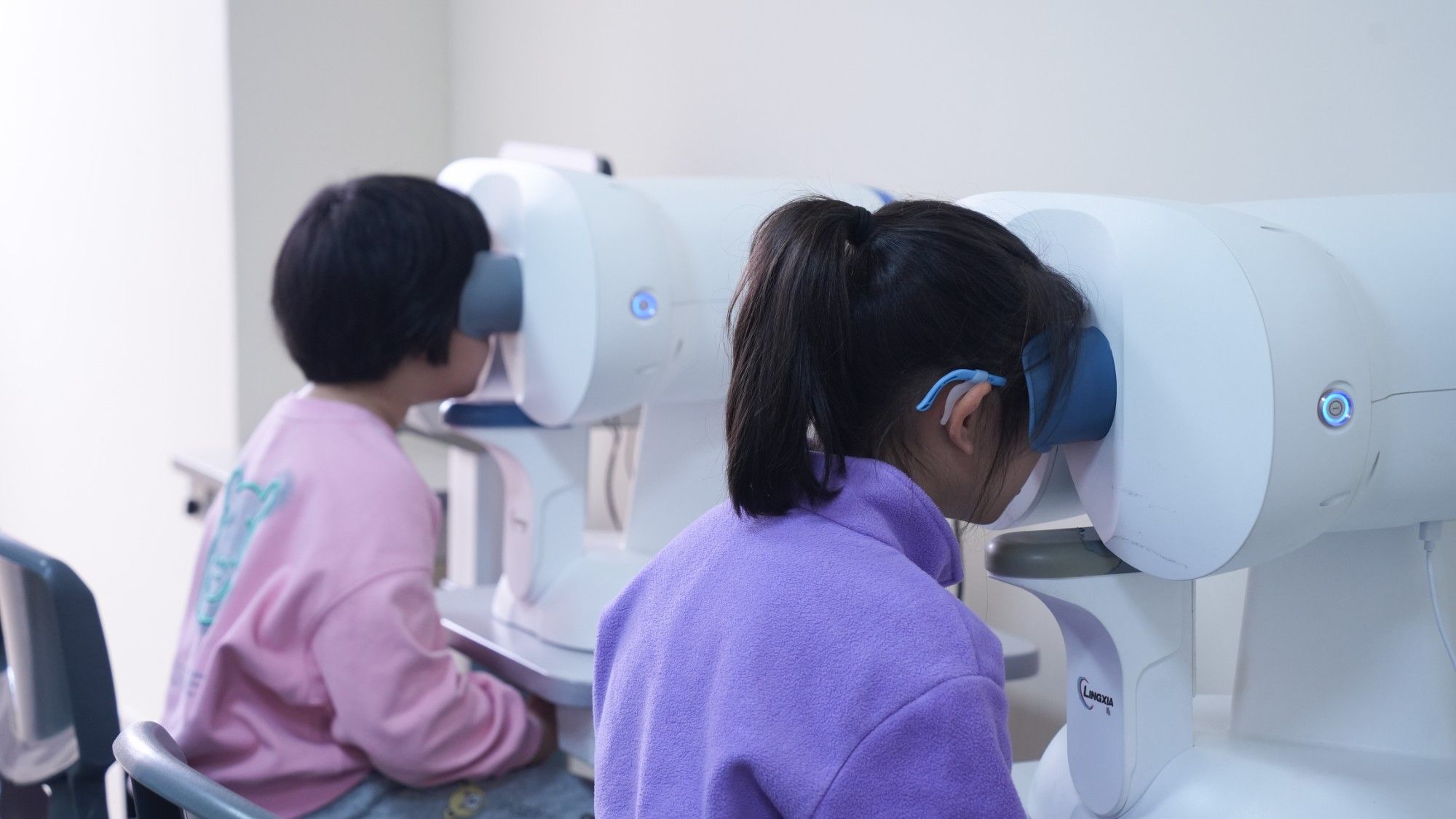
For common pediatric and adolescent amblyopia and binocular visual function developmental abnormalities, the department is equipped with the mature 4D dynamic visual training system. This system can specifically improve binocular fusion, stereopsis, ocular alignment, and visual regulation, meeting daily basic visual correction and rehabilitation needs and helping most children steadily improve visual acuity and visual function.
2. Advanced Equipment Is the Foundation, but a Professional Team Is the Core Guarantee of Rehabilitation
Advanced equipment is an important rehabilitation tool, but it cannot replace professional medical diagnosis and personalized treatment plans. What truly makes the difference in rehabilitation outcomes is accurate etiological diagnosis, customized protocols, and full-process professional training supervision.
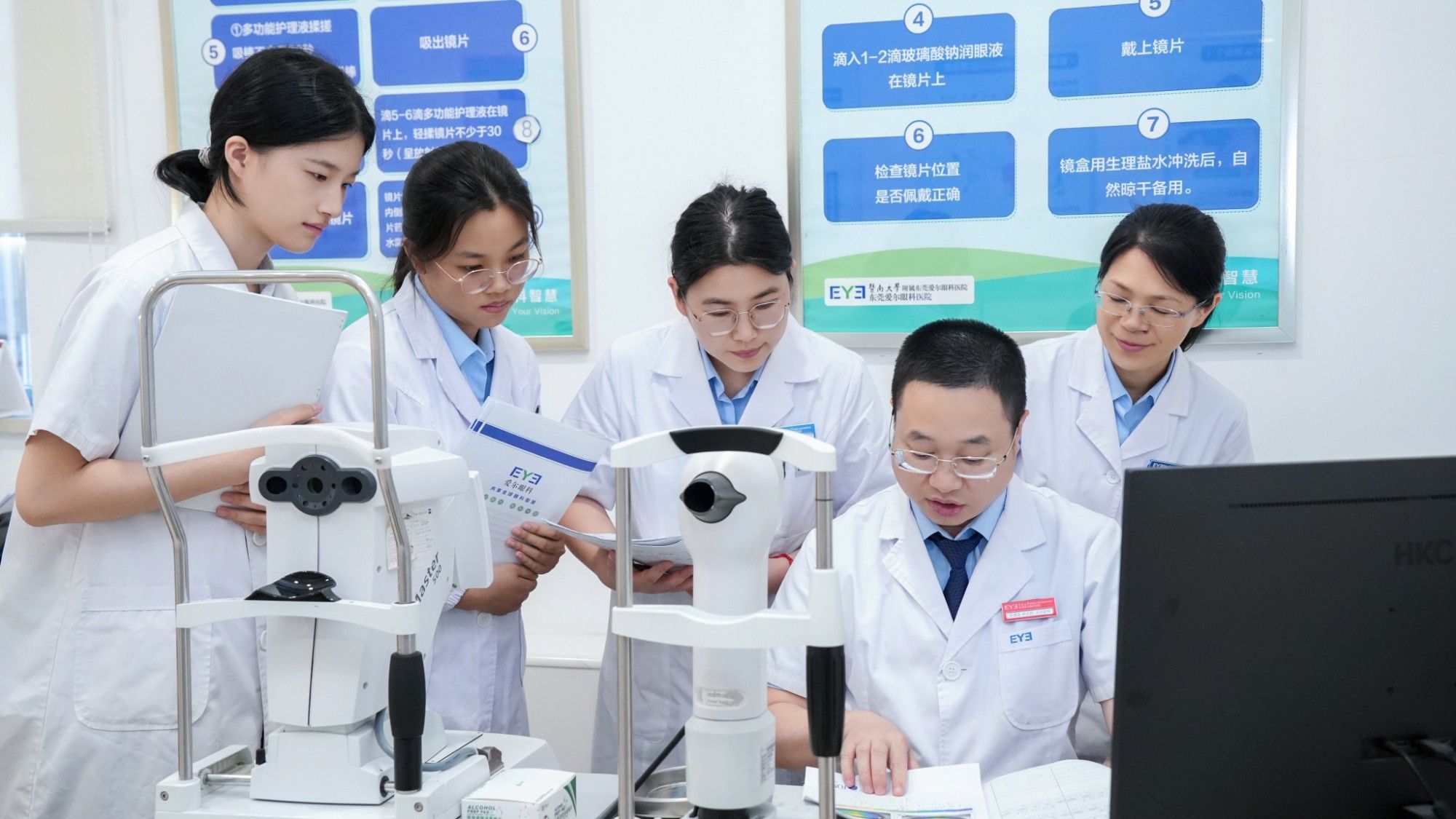
The Dongguan Aier Visual Perception Training and Rehabilitation Department adheres to a medical-grade refined rehabilitation model, equipped with a dedicated team of senior optometrists and certified full-time vision therapists. From diagnosis and protocol design to training implementation, we ensure end-to-end control, making rehabilitation more scientific and reliable:
✅ Senior Optometrists Provide Precise Diagnosis and Customized Protocols
Our team goes beyond simple visual acuity testing. Through a comprehensive suite of refined visual function assessments, we thoroughly evaluate binocular coordination, stereopsis, contrast sensitivity, visual processing efficiency, and other deeper indicators to precisely identify the root causes of vision stagnation and weak visual function. Based on the patient's age, ocular foundation, and visual habits, we tailor a rehabilitation plan, eliminating blind or ineffective training.
✅ Full-Time Vision Therapists Provide Whole-Process Supervision and Dynamic Adjustments
All training sessions are guided by certified full-time therapists who ensure proper technique and monitor the patient's ocular tolerance in real time. Training intensity and protocols are dynamically adjusted according to rehabilitation progress, avoiding training errors, visual fatigue, and other issues. This ensures that each session is effective and productive, steadily advancing rehabilitation outcomes.
3. Newly Introduced: RevitalVision
Many parents have reported that training only available during hospital visits leaves a gap in home-based, standardized supplementary training. This leads to longer intervals between sessions, poor continuity, slower visual improvement, and frequent plateaus.
To address this, our department has specifically introduced the RevitalVision online visual training system—a lightweight, convenient home-based supplementary training option that serves as an excellent complement to in-hospital training, solving the common problem of lacking standardized daily practice at home.
Unlike traditional in-hospital equipment training, RevitalVision uses a digital, online training model that is simple to operate and does not require hospital visits, making it suitable for daily home use. It primarily employs gentle visual neural modulation exercises to enhance visual signal processing capabilities. When combined with systematic in-hospital training, it effectively fills the home-training gap, maintains continuity, and stabilizes training frequency, allowing visual function rehabilitation to progress gradually and steadily.
It is suitable for a broad range of patients with specific needs:
Children and adolescents with regular amblyopia who have reached a training plateau and struggle to improve visual acuity.
Those with underdeveloped stereopsis, binocular fusion dysfunction, or incomplete visual function.
Older adolescents and adults with amblyopia who have missed the traditional critical intervention period.
Individuals suffering from prolonged visual fatigue, blurred vision, or poor visual quality.
We always adhere to scientifically sound rehabilitation: there is no single device that produces a "breakthrough effect" on its own. Only through professional physician-guided protocols, therapist-supervised sessions, and a combined in-hospital + home-based continuous training approach can visual function be steadily improved. Rehabilitation outcomes vary by individual and depend primarily on each patient's ocular foundation and consistency in training.
4. Full-Process Closed-Loop Management for More Stable and Lasting Rehabilitation Results
Visual function rehabilitation is a dynamic conditioning process—not a simple mechanical checklist of training tasks. Plans must be continuously optimized based on the patient's ocular status and progress.
Our department has established a standardized full-cycle closed-loop rehabilitation system:
Refined visual function assessment → Physician's etiological evaluation → Personalized protocol design → Therapist-supervised training → Regular re-evaluation and protocol iteration.
From precise diagnostic evaluation at the outset, to personalized scientific training during the middle phase, to regular follow-up and plan adjustments thereafter, the entire process is managed with medical-grade quality control. Whenever a patient encounters a vision plateau or changes in condition, our team promptly refines the training strategy to steadily advance the rehabilitation process, ensuring more stable and lasting visual improvements.
5. A Rational View of Rehabilitation—Avoid Blind Trial-and-Error
Truly scientific visual function rehabilitation does not rely on mere persistence; it depends on appropriate equipment adaptation, precise medical diagnosis, and meticulous, full-process management.
The Dongguan Aier Eye Hospital Visual Perception Training and Rehabilitation Department—with its four core strengths: a comprehensive tiered training equipment system, a professional team of physicians and therapists, and standardized full-process medical management—provides every patient with scientific, precise, and efficient visual function rehabilitation services. We are committed to helping more people break through vision plateaus and achieve a superior visual experience.

咨询电话:
0769-22660023
医院地址:
东莞市东城区莞樟路石井路段171号-东莞爱尔眼科医院