Dongguan Aier Eye Hospital: One City, Three Hospitals and One Clinic, Part of a Global Network
 0769-22660023 0769-22660023
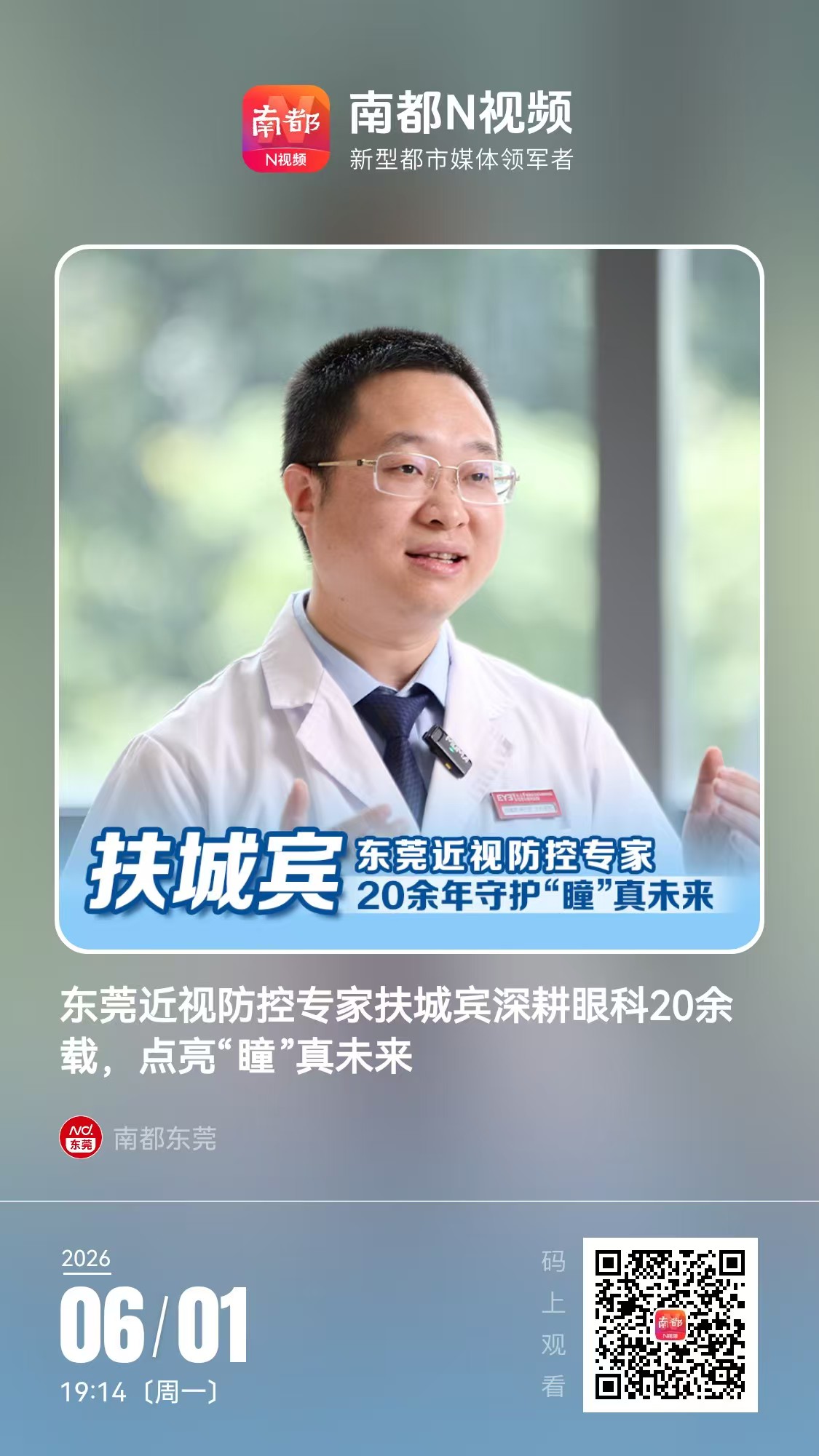
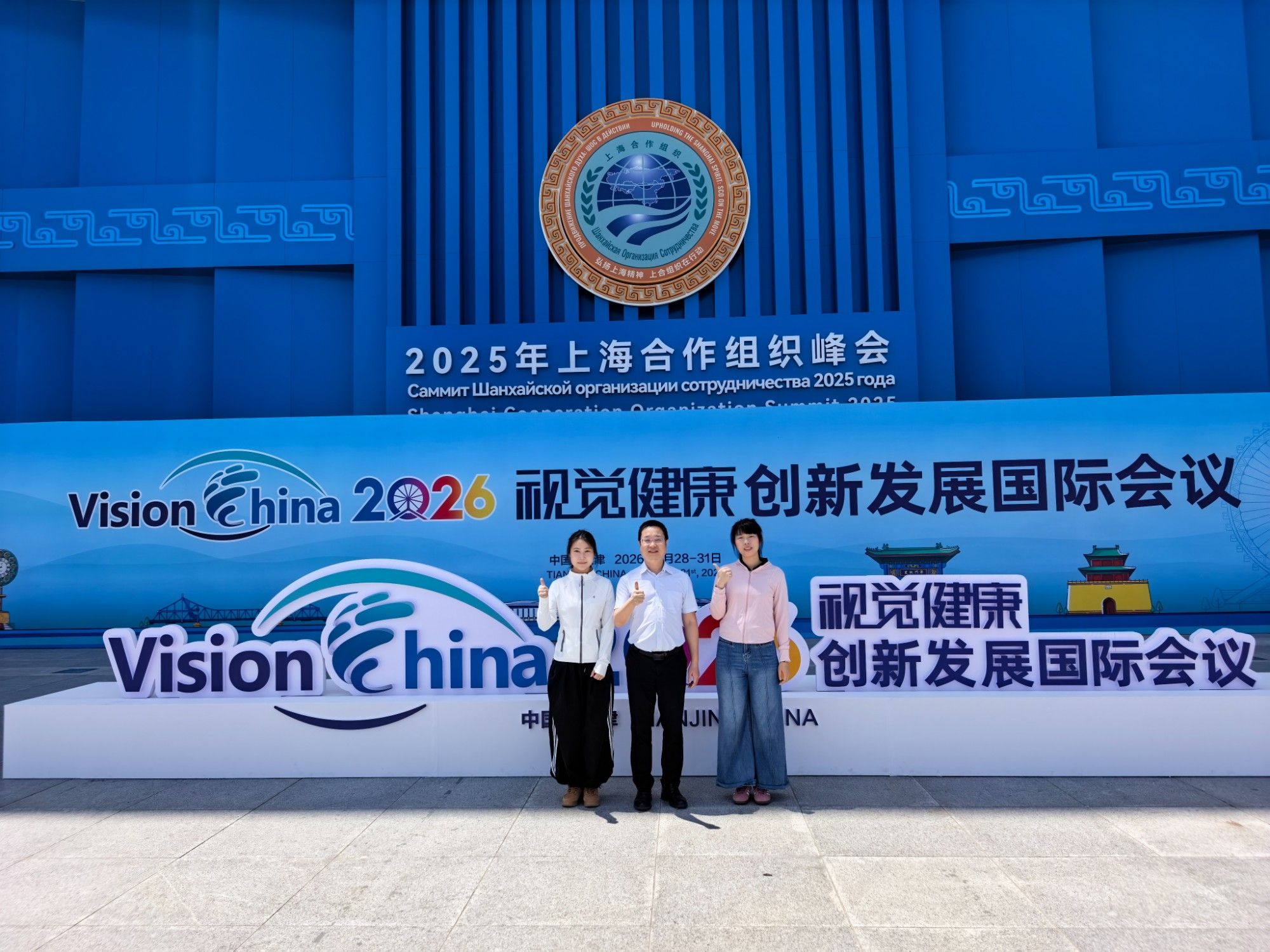
Tidal Surge of the Haihe River, Wisdom Embarking on a New Journey. On May 29th, Vision China 2026 grandly opened at the Tianjin Meijiang Convention and Exhibition Center. To closely follow the international forefront of optometry and ophthalmology, refine clinical diagnosis and treatment technologies, upgrade departmental eye health service systems, and adopt the latest industry standards and innovative concepts, Director Fu Chengbin, along with optometrists Liao Yuwei and Fu Tong from his department, was invited to attend. They deeply engaged in this premier academic feast, immersively learning cutting-edge research, intelligent medical technologies, and standardized diagnosis and treatment systems. Through exchanges and thought-provoking discussions with top domestic and international experts, scholars, and peers, they have accumulated new momentum for the high-quality development of the department's optometry services.
As the largest, most prestigious, and most influential top-tier academic event in the field of ophthalmology and optometry in China, the 2026 Vision China International Conference (Vision China 2026) carries the core mission of leading technological innovation, standardizing clinical practices, and building a global academic exchange bridge. It serves as a key platform for connecting with international frontiers, converging top-tier expertise, and promoting deep integration across industry, academia, research, and medicine within China's eye health sector.
The conference focused on core hot topics such as digital health and medical innovation, comprehensive myopia prevention and control infrastructure, establishment of eye health standard systems, and the translation of cutting-edge ophthalmic technologies. It brought together Chinese and international academicians, leading experts, industry pioneers, and young research talents. The conference released multiple new industry standards, consensus statements, and emerging technologies, serving as a bellwether event guiding national optometry discipline development, clinical practice, and industrial growth. It holds milestone significance for promoting high-quality, standardized, and intelligent development of global eye health.
The conference featured a gathering of distinguished experts and comprehensive content coverage, possessing both academic depth, clinical practicality, and industrial innovation. It convened academicians and leading authorities from China and various countries, focusing on core topics including AI-powered ophthalmology, whole-process myopia management, translational research in ocular surface diseases, development of pediatric ophthalmology, presbyopia correction technologies, and the training of eye health professionals, presenting over a hundred special reports and forums.
Simultaneously, the conference launched several significant optometry expert consensuses, industry white papers, and graded diagnosis and treatment evaluation standards. It initiated multiple digital intelligent teaching systems, industry innovation alliances, and international myopia prevention and control cooperation projects, comprehensively showcasing the new landscape of cross-disciplinary innovation integrating "technology, healthcare, and industry" in optometry. Key areas such as digital integration empowering clinical care, development of whole-cycle myopia prevention and control systems, and upgrading standardized optometric services have clearly illuminated the core direction for the development of primary and specialized optometry departments.
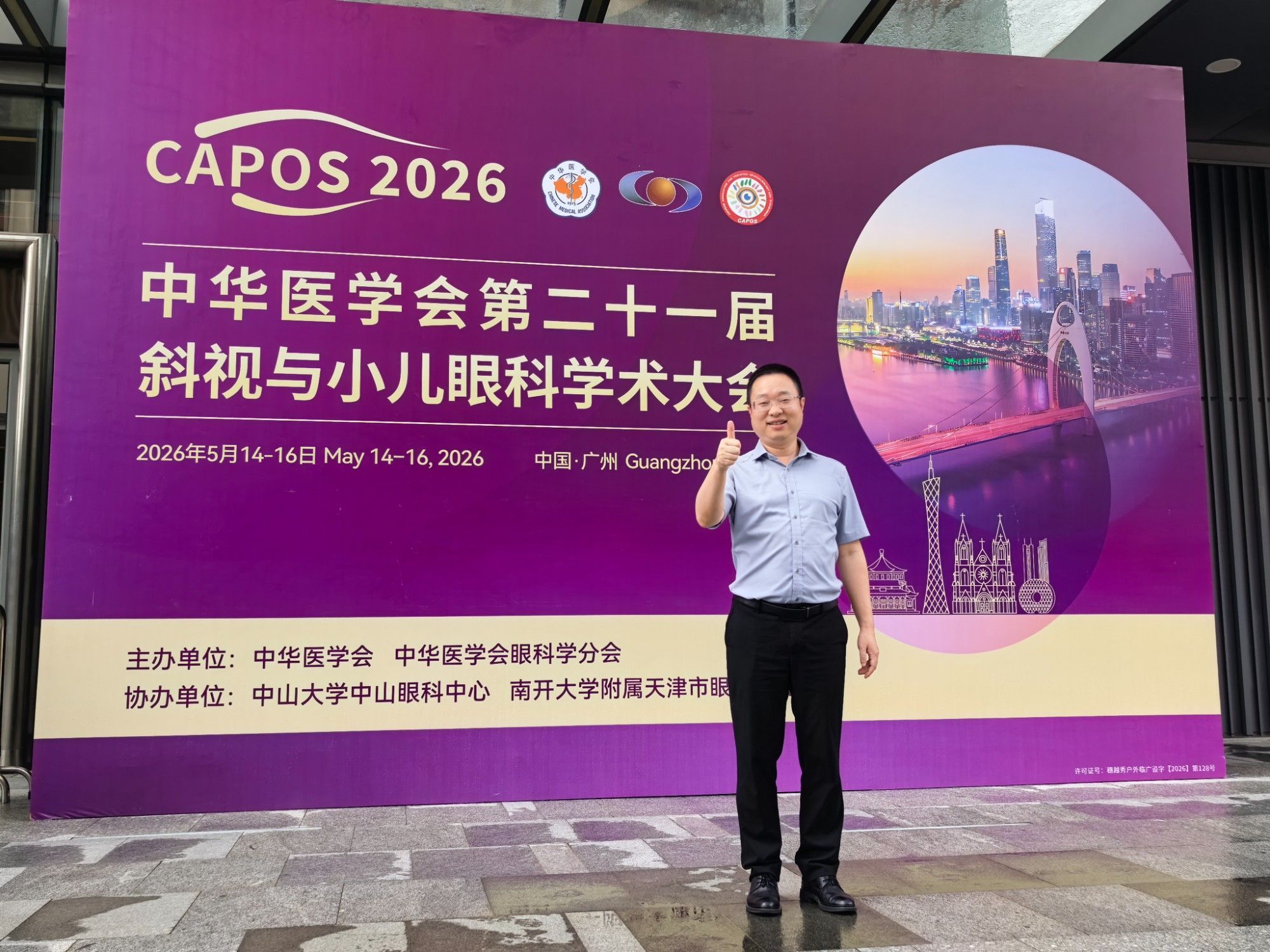
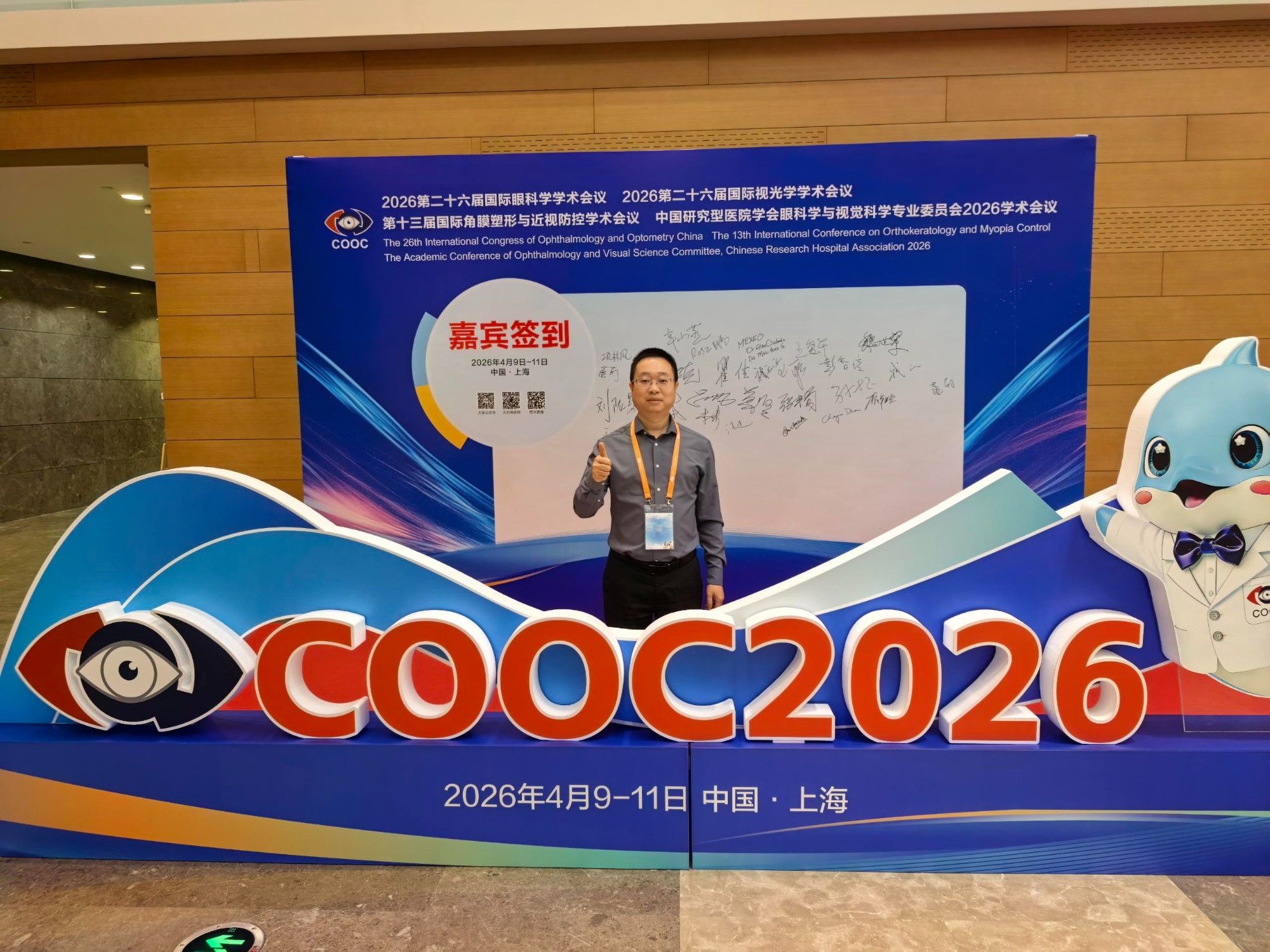
During the conference, Director Fu Chengbin's team delved into various core sessions, focusing on areas closely related to clinical services, including precise myopia control, digital eye strain diagnosis and treatment, AI applications in ophthalmology, standardized eye health management, and new presbyopia correction technologies. They diligently studied academic presentations and clinical experiences shared by academicians, distinguished experts, and international colleagues, carefully interpreted the latest industry expert consensus and treatment standards, deeply observed exhibitions of innovative optometric devices and smart medical equipment, and systematically learned advanced domestic and international models for comprehensive eye health management.
Regarding the key outcomes highlighted at this conference—such as whole-process myopia management strategies, standardized digital eye strain diagnosis and treatment protocols, and interdisciplinary AI-powered ophthalmic technologies—the team conducted special studies. They related these findings to their daily clinical work, including adolescent myopia prevention and control, adult digital eye strain correction, and middle-aged and elderly eye health management, identifying new technologies, concepts, and plans suitable for departmental development.
Director Fu Chengbin stated that Vision China, as a benchmark event in the industry, provides crucial guidance for upgrading optometry departments each year through its innovative achievements and iterative industry standards. With the continuous escalation of national eye health needs and the increasingly prominent problems of high myopia incidence in adolescents, widespread digital eye strain, and age-related visual decline in the elderly, higher demands are placed on the precision, standardization, intelligence, and personalization of optometric care. He emphasized that the core purpose of attending this conference was to break free from conventional diagnostic and therapeutic thinking, align with international cutting-edge technologies and industry standards, and translate top-tier academic results into clinical service capabilities.
He stressed that the department will base its future development on the new concepts and standards from this conference, focusing on three major directions. First, deepening precision myopia control by utilizing the whole-process management strategies and far-distance imaging technology specifications promoted at the conference to optimize the entire service process of adolescent myopia screening, intervention, and follow-up, precisely controlling the progression of high and pathological myopia. Second, promoting standardization of diagnostic and treatment services by strictly aligning with national graded evaluation standards for optometry services and implementing the latest guidelines, such as the "Expert Consensus on the Diagnosis and Management of Digital Eye Strain," to unify departmental clinical pathways and enhance the precision of diagnosing common conditions like eye strain and refractive errors. Third, embracing digital and intelligent healthcare innovation by actively exploring the application of AI technologies and smart diagnostic devices in eye health examinations, clinical reasoning training, and personalized treatment planning, thereby transforming the department's eye health services from traditional refractive correction to comprehensive, whole-cycle, intelligent eye health management. Simultaneously, Director Fu noted that continuous learning and exchange are essential for disciplinary development and technical refinement. The department will regularly participate in leading domestic and international optometry conferences, establish a long-term learning mechanism for the team, encourage optometrists to deepen their expertise, continuously absorb cutting-edge concepts and practical skills, and strive to build a highly professional, technologically current, and service-oriented optometry team.
In the future, the department will empower clinical practice with academic insights, standardize services with best practices, and enhance quality through innovation. It will effectively translate the cutting-edge knowledge gained from this conference into daily patient care, public eye health education, and adolescent vision protection efforts. The goal is to provide the community with more professional, precise, and comprehensive one-stop eye health services, thereby contributing to the high-quality development of regional eye health initiatives.

咨询电话:
0769-22660023
医院地址:
东莞市东城区莞樟路石井路段171号-东莞爱尔眼科医院