Dongguan Aier Eye Hospital: One City, Three Hospitals and One Clinic, Part of a Global Network
 0769-22660023 0769-22660023
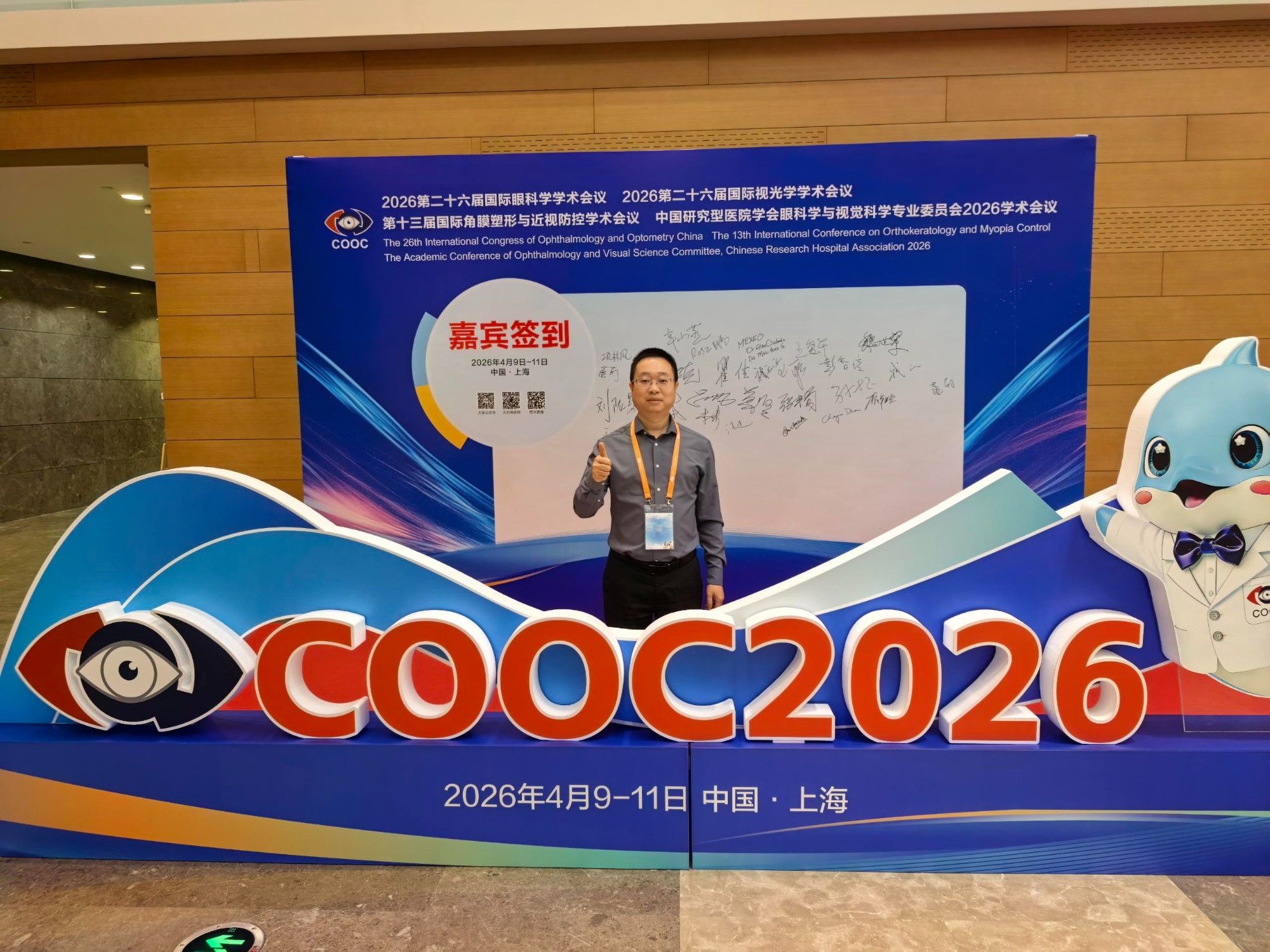
From April 9 to 12, the 26th International Congress of Ophthalmology, the 26th International Congress of Optometry, and the 13th International Congress of Orthokeratology (COOC2026) were grandly held in Shanghai. As a highly influential international event in the fields of ophthalmology and optometry in the Asia-Pacific region, COOC is also widely recognized as one of the top academic conferences in China’s ophthalmology community. It is a National Class I Continuing Medical Education (CME) credit program, regarded as the annual highlight by many Chinese ophthalmologists, and serves as a vital platform for ophthalmologists worldwide to exchange cutting-edge knowledge and technologies.
This year’s conference brought together the world’s leading ophthalmologists, scholars, and industry elites, featuring a significantly enhanced academic lineup. Through precise and professional academic presentations and in-depth exchanges of cutting-edge ideas, the event established an open and inclusive international platform for academic exchange. It facilitated the efficient sharing of ophthalmic diagnostic and therapeutic technologies, clinical experience, and industry resources, providing valuable learning and professional development opportunities for ophthalmologists nationwide. Furthermore, it injected strong momentum and practical guidance into the high-quality development of China’s eye health initiatives, garnering high recognition and widespread attention from attending experts.
1Theoretical Consensus: Myopia Prevention and Control Enters
a New Era of “Precision, Full Lifecycle, and Multi-dimensional” Approaches
China’s myopia prevention and control efforts are currently at a critical juncture of iteration and upgrading, with the integration of cutting-edge technological innovation and clinical implementation serving as the core direction for industry development. Director Fu’s presentation, “Clinical Efficacy Observations of Dual-Effect Lenses for Myopia Defocus and Higher-Order Aberrations,” aligns closely with this philosophy. Through the accumulation of real-world data and efficacy evaluations, Director Fu and his team demonstrated keen industry insight and robust capabilities in translating clinical research into practice.
Concurrently, the conference emphasized a new concept in myopia prevention and control: “shifting the focus to earlier intervention and implementing full-cycle, tiered management.” The “5P Myopia Management System” (Prevention First, Scientific Prediction, Combination of Standardization and Personalization, Platform Support, and Parental Oversight), spearheaded by Director Fu Chengbin, is a clinical implementation that aligns perfectly with this philosophy. Starting with core indicators such as hyperopia reserve and axial length, it integrates multiple approaches—including optical intervention, medication management, and behavioral intervention—to provide precise, full-cycle prevention and control for children aged 0–18. The clinical practices of the Optometry and Pediatric Ophthalmology Department at Dongguan Aier Eye Hospital not only align closely with industry trends but also lead the field of myopia prevention and control in China through systematic solutions.
2. Over Two Decades of Dedication to Optometry, Safeguarding Children’s Clear Vision
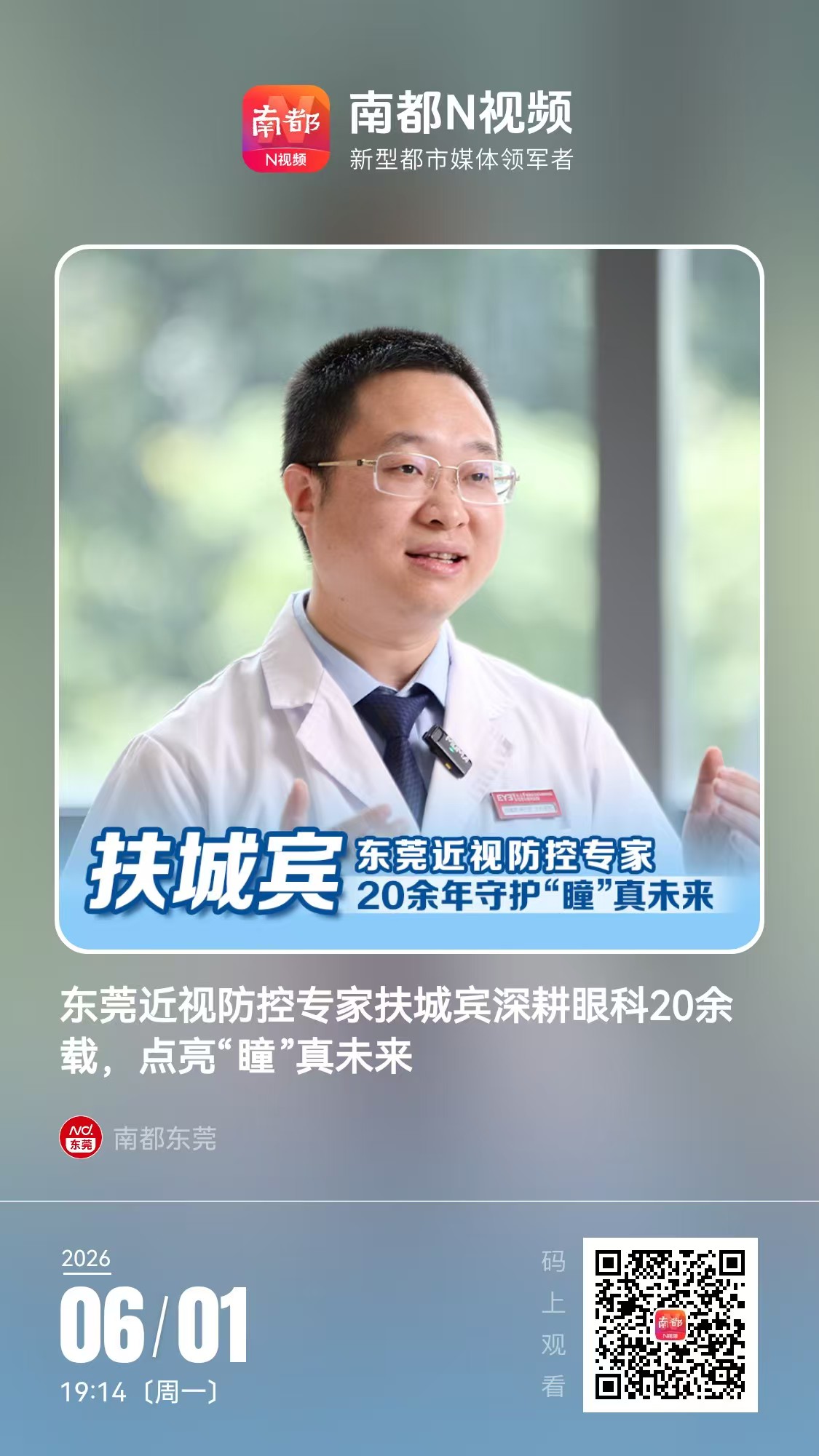
Dr. Fu Chengbin serves as the academic leader of the Optometry and Pediatric Ophthalmology Department at Dongguan Aier Eye Hospital. With over two decades of experience in clinical practice, research, and teaching, he has consistently focused on the prevention and control of myopia in children and adolescents, as well as the diagnosis and treatment of strabismus and amblyopia, alongside comprehensive optometric management. Through relentless dedication and a commitment to excellence, he has developed a precise, efficient, and personalized diagnostic and treatment system to resolve vision concerns for children and adolescents and safeguard their clear “visual” world.
In terms of academic and professional appointments, Director Fu Chengbin shoulders the responsibility of advancing the development of the regional ophthalmic and optometric disciplines: He holds key positions including Standing Committee Member of the Strabismus and Amblyopia Professional Committee of the Guangdong Optometry Society, Member of the Strabismus and Amblyopia Working Group of the 11th Committee of the Ophthalmology Branch of the Guangdong Medical Association, Member of the Asian Branch of the International Association of Orthokeratology (IAOA), and Head of the Optometry and Oculomotor Muscle Professional Working Group for the Guangdong Region at Aier Eye Hospital. With his solid professional foundation and extensive clinical experience, he has become a leading expert in the regional fields of myopia prevention and control among adolescents and the diagnosis and treatment of pediatric eye diseases.
In his research career, Director Fu Chengbin has consistently prioritized both clinical practice and scientific research. He has led numerous provincial and municipal-level research projects, delving deeply into cutting-edge topics such as myopia prevention and control, as well as the treatment of strabismus and amblyopia. He has published academic papers in he has published academic papers in leading domestic journals such as the *Chinese Journal of Ophthalmology* and the *Chinese Journal of Practical Ophthalmology*. By translating clinical practice into research outcomes and applying these findings to enhance clinical care, he has continuously driven academic progress and technological innovation in the field of ophthalmic optometry, thereby contributing to the ongoing improvement of regional ophthalmic care standards.
3. Leading Team Development: Building a High-Caliber Team of Master’s and Doctoral Graduates
As the academic leader, Director Fu Chengbin not only possesses exceptional medical expertise but also places great emphasis on talent development. He has gradually assembled a highly educated, highly skilled, and high-caliber “Master’s and PhD Team” (comprising 1 PhD and 3 Master’s degree holders). Team members cover multiple specialties, including optometry, ophthalmology, and child development and behavior, and all have training or work experience at top-tier ophthalmic hospitals in China.
Under Director Fu Chengbin’s leadership, the team regularly conducts multidisciplinary consultations for complex cases, clinical research seminars, and international academic exchanges, establishing a “clinical-teaching-research” integrated training model. In recent years, the team has produced a series of high-quality research outcomes in areas such as the mechanisms of myopia prevention and control, clinical evaluation of defocus lenses, and precise fitting of orthokeratology lenses, and has presented these findings at national academic conferences on multiple occasions.
4. Strong Disciplinary Strength, Setting the Standard for Professional Eye Care
Leveraging the global network resources of Aier Eye Hospital, the Optometry and Pediatric Ophthalmology Department at Dongguan Aier Eye Hospital has developed into a specialized unit integrating screening, diagnosis, treatment, rehabilitation, and public education. The department boasts strong expertise, advanced technology and equipment, and a comprehensive service system.
The department is equipped with high-end diagnostic instruments, including internationally recognized biometric analyzers, fully automated comprehensive refractometers, corneal topographers, and axial length measuring devices. These tools form the foundation of a precise refractive testing and visual function assessment system, providing comprehensive eye examinations and data monitoring for children and adolescents. Additionally, the department has innovatively developed the “5P Myopia Management System,” which integrates medical refraction, personalized eyewear fitting, orthokeratology (ORK) fitting, low-concentration atropine intervention, and visual function training. This system tailors comprehensive, multi-dimensional myopia prevention and control plans for children of different ages and varying degrees of myopia.
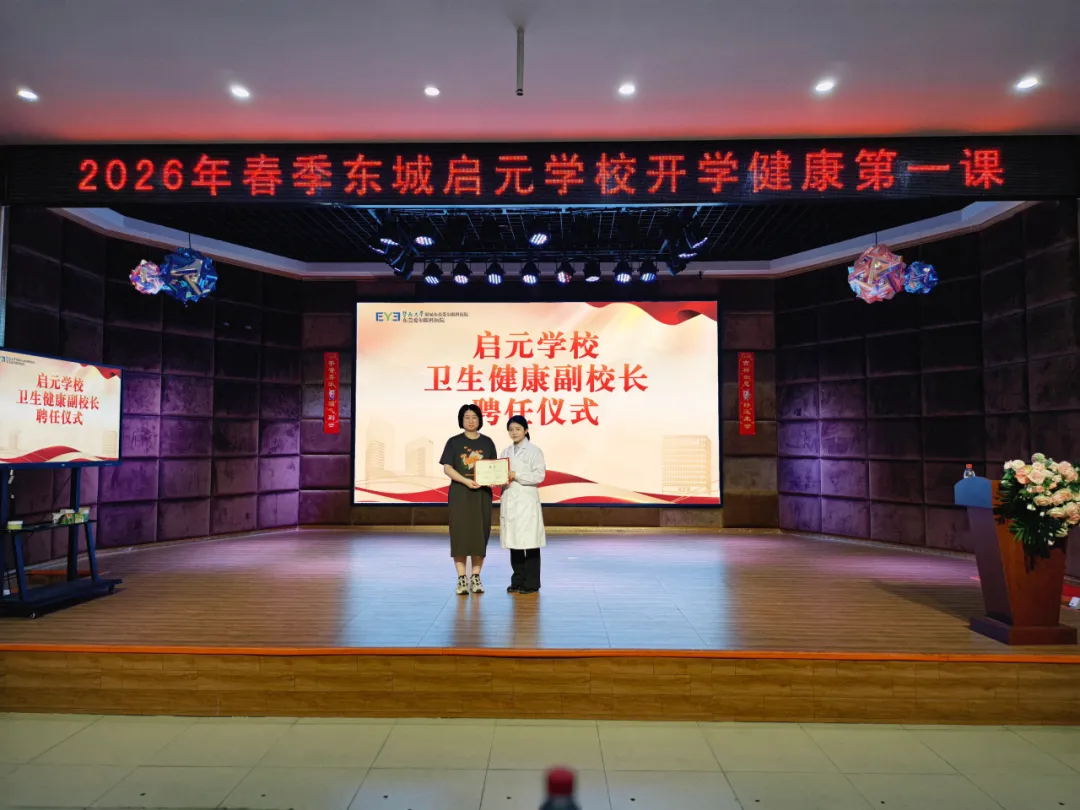
Furthermore, the department has long been deeply committed to public welfare initiatives for myopia prevention and control in schools. Every year, it dedicates itself to providing eye health examinations and record-keeping services for primary and secondary school students across multiple schools in Dongguan. It has organized over 100 events, including the “Myopia Prevention and Control Master’s and Doctoral Team Visits to Schools,” science popularization lectures, eye care-themed activities, and the “Journey to the Land of Pupils” eye care stage play. Through a three-party collaboration model involving “medical-school-family - School - Hospital” tripartite collaboration model to fortify the defense of children’s and adolescents’ eye health.
Thanks to its professional expertise, high-quality services, and outstanding contributions to public welfare, the department has become a trusted benchmark for children’s eye health in Dongguan and surrounding areas, continuously safeguarding the visual health of local children and adolescents.

咨询电话:
0769-22660023
医院地址:
东莞市东城区莞樟路石井路段171号-东莞爱尔眼科医院